Constipation in the Elderly: Causes, Prevention, and Relief
Fact-checked against published guidelines under our editorial and review policy. Educational information only, not medical advice. Read the full disclaimer.
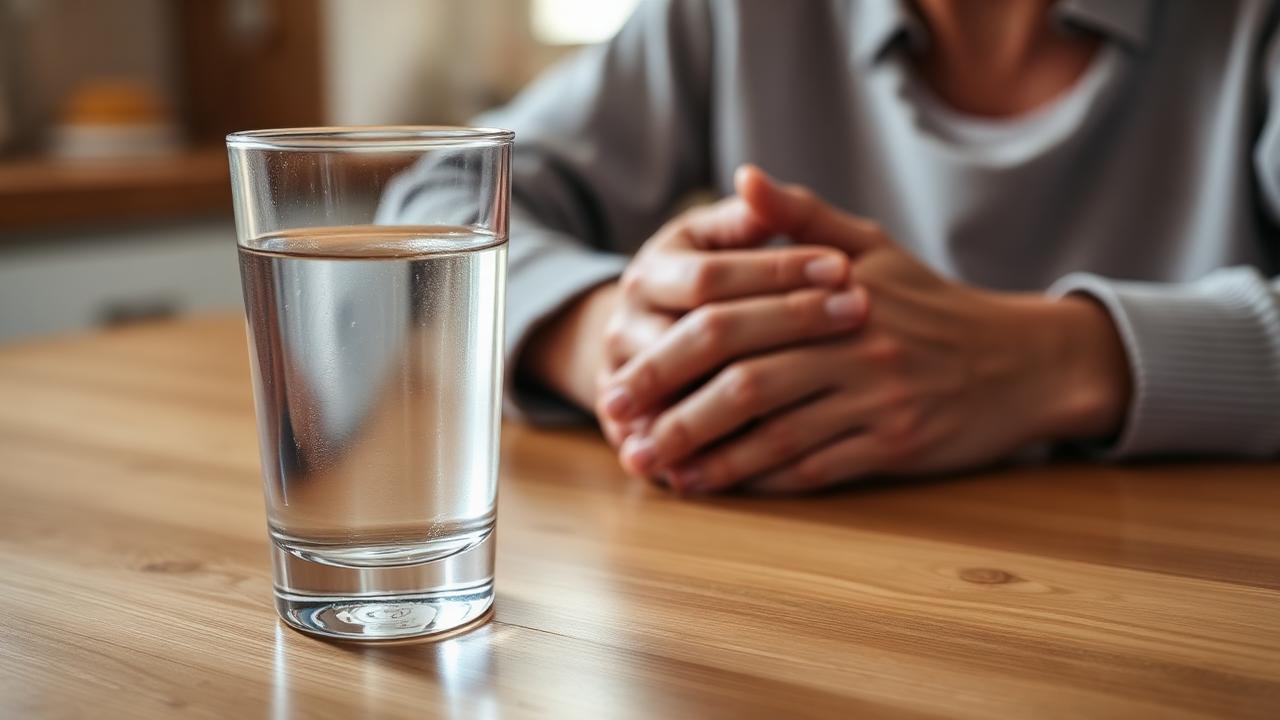
Constipation is one of those health topics that people rarely want to talk about, but it is remarkably common in older adults. Studies suggest that up to 40 percent of people over 65 experience constipation on a regular basis. It can range from a mild inconvenience to a genuinely uncomfortable condition that affects appetite, energy, and overall quality of life. The good news is that in most cases, constipation in seniors is preventable with consistent, simple lifestyle habits.
Why Constipation Is So Common in Older Adults
- Reduced physical activity: Physical movement stimulates the muscles of the digestive tract. When activity levels drop, so does bowel motility.
- Medications: A number of commonly prescribed drugs can slow the digestive system. Opioid pain relievers are among the worst offenders, but calcium-based antacids, iron supplements, certain blood pressure medications, and some antidepressants can also contribute.
- Low fiber intake: Many older adults eat less overall, and their diets may lack the fruits, vegetables, and whole grains that provide dietary fiber. Without enough fiber, stool becomes hard and difficult to pass.
- Not drinking enough fluids: Fiber needs water to work properly. Without adequate hydration, a high-fiber diet can actually make constipation worse.
- Weakened muscles: The pelvic floor and abdominal muscles weaken with age, making it physically harder to evacuate the bowels.
- Changes in gut bacteria: The composition of the gut microbiome shifts as people age, which can slow transit time through the colon.
Prevention Strategies That Actually Work
- Aim for 25 to 30 grams of fiber daily from whole food sources: berries, apples with skin, broccoli, carrots, beans, lentils, oatmeal, and whole-wheat bread.
- Drink at least six to eight glasses of water per day. Warm liquids in the morning, such as warm water with lemon or a cup of tea, can stimulate bowel activity.
- Stay physically active. Even a short daily walk of 15 to 20 minutes helps keep things moving through the digestive tract.
- Establish a regular bathroom routine. Try sitting on the toilet at the same time each day, ideally after breakfast, when the digestive system is naturally most active.
- Never ignore the urge to go. Delaying a bowel movement allows the colon to absorb more water from the stool, making it harder and more difficult to pass later.
- Consider a probiotic supplement or probiotic-rich foods like yogurt and kefir, which support healthy gut bacteria.
When to See a Doctor
- No bowel movement for more than three consecutive days despite trying the strategies above
- Blood in the stool or on the toilet paper
- Severe or persistent abdominal pain or cramping
- Unexplained weight loss accompanying the constipation
- A sudden, unexplained change in bowel habits that lasts more than two weeks
Use our Constipation Prevention Checklist to track the daily habits that support regularity and identify areas for improvement.
Need Professional Home Care?
For help with nutrition, hydration, and daily wellness routines, a licensed home care agency provides personalized in-home care and lifestyle support.