Articles & Guides
Expert-written guides on health, safety, nutrition, and care planning for older adults and their families.
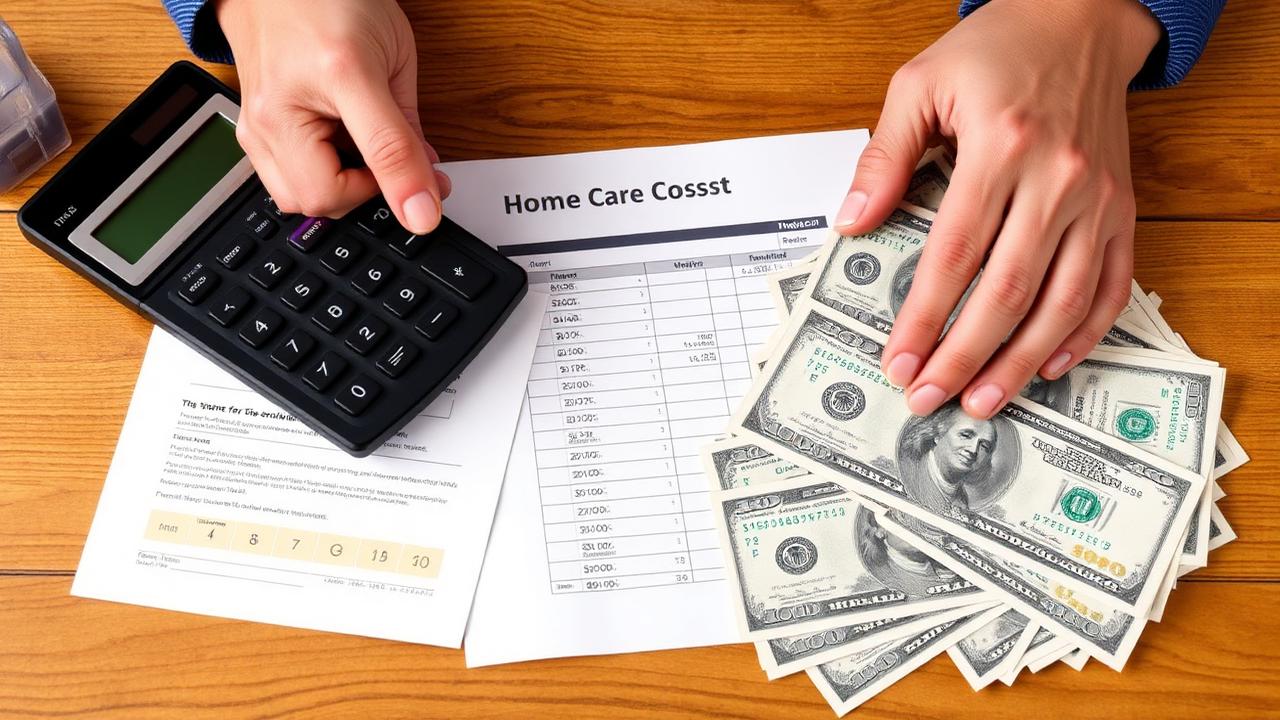
Home Care vs Assisted Living: 2026 Costs and Real Benefits
2026 monthly cost ranges for home care, assisted living, memory care and nursing homes, the 40 to 60 hour crossover point, hidden fees on both sides, and who pays for what.
Read article
mg to mL Dosage Calculations: A Student Nurse's Guide
The one formula behind every mg to mL question, three worked examples, the per-5-mL trap that causes fivefold errors, a fast strength reference table, and practice problems with answers.
Read article
Nutritional Drinks for Seniors: Do They Help or Hurt?
What is really in Ensure and Boost, the six problems families run into with sugar, protein, digestion and kidney disease, when these drinks genuinely help, and cheaper food-first alternatives.
Read article
How to Sign as Power of Attorney for a Parent (With Examples)
The exact signature format banks and title companies accept, worked examples for checks, deeds, and forms, plus the IRS, Social Security, and springing-POA rules that trip families up.
Read article
The Complete Caregiver Interview Guide: 25+ Questions to Ask
The 27 questions to ask a home caregiver, the vetting and background-check steps to run before the first shift, red flags that should end the process, and what to watch in the first two weeks.
Read articleADLs and IADLs Explained: The 7 Activities of Daily Living
What the 7 activities of daily living are, how IADLs differ, how professionals score them, and why the ADL count decides insurance payouts, Medicaid hours, and how much care a family needs.
Read articleAre Home Care Costs Tax Deductible? A Family's Guide for 2026
How the IRS medical expense rules apply to in-home care: what 'chronically ill' means, which services qualify, when an adult child can claim a parent's care, and the records you need to keep.
Read article24/7 In-Home Care Costs: What Families Pay Per Month in 2026
A neutral breakdown of what round-the-clock in-home care actually costs per month, how shift-based care compares to live-in arrangements, and where families can trim the bill without cutting safety.
Read articleLong-Term Care Insurance Cost: What Families Actually Pay in 2026
What a long-term care insurance policy really costs by age, health, and benefit size, how those premiums compare to paying for in-home care out of pocket, and when a policy is worth buying.
Read article
What Is BMI and Why Does It Matter for Seniors?
Body Mass Index (BMI) is a simple screening tool that uses height and weight to estimate body fat. Learn how BMI is calculated, what the categories mean, and why it is especially important for older adults.
Read article
Understanding Blood Pressure Readings: A Complete Guide
Blood pressure is one of the most important vital signs. Learn what systolic and diastolic numbers mean, the five blood pressure categories, and when to seek medical attention.
Read article
10 Essential Home Safety Tips for Elderly Living Alone
Falls are the leading cause of injury among older adults. Discover practical home modifications, from grab bars to better lighting, that can dramatically reduce fall risk.
Read articleHow Much Water Should Seniors Drink Daily?
Dehydration is a common but preventable issue in older adults. Learn the signs, recommended intake amounts, and simple strategies to stay properly hydrated throughout the day.
Read articleHome Care vs Assisted Living: Comparing Costs
Choosing between home care and assisted living is one of the biggest decisions families face. We break down average costs, what is included, and how to decide which option fits your situation.
Read articleHow Much Protein Do Older Adults Really Need?
Research shows seniors need more protein than younger adults to maintain muscle mass and strength. Learn the recommended amounts and best food sources for meeting your daily protein goals.
Read article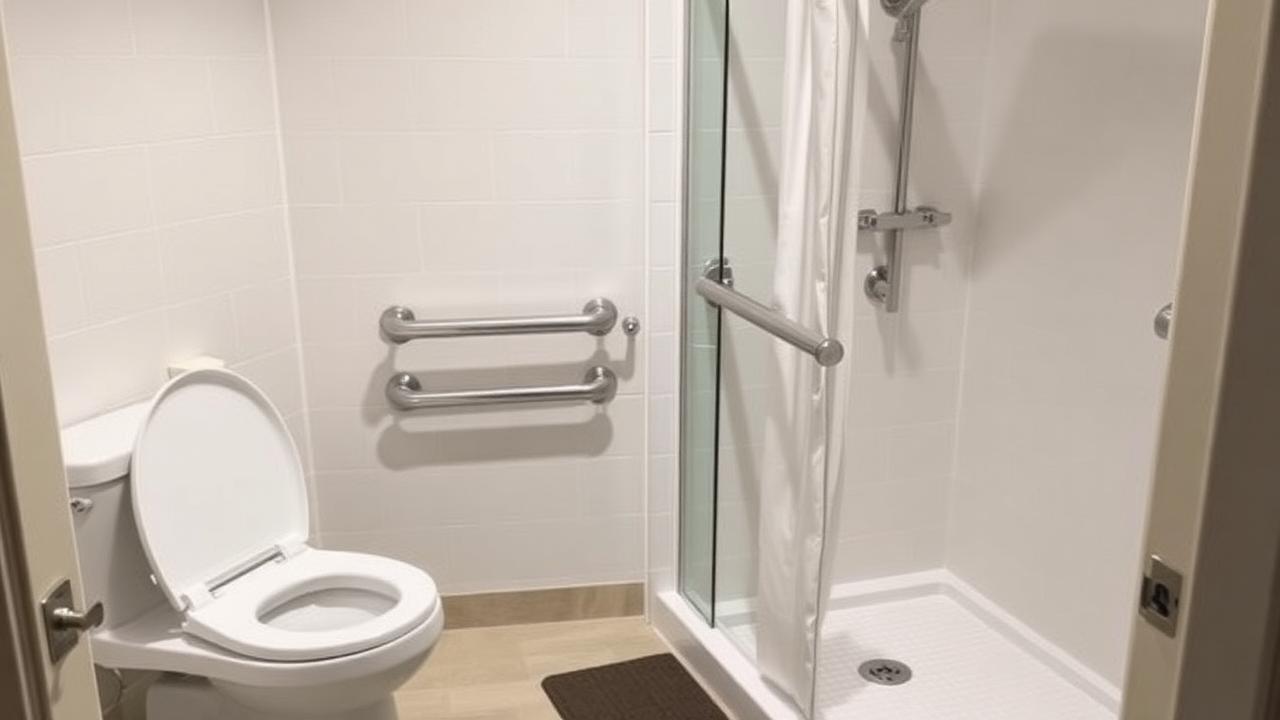
Preventing Falls in the Bathroom: A Practical Guide
The bathroom is the most dangerous room in the house for older adults. Learn which modifications, including grab bars, non-slip mats, and raised toilet seats, make the biggest difference.
Read articleMedication Management Tips Every Caregiver Should Know
Managing multiple medications can be overwhelming. Discover organization strategies, timing tips, and tools that help caregivers keep track of complex medication schedules.
Read article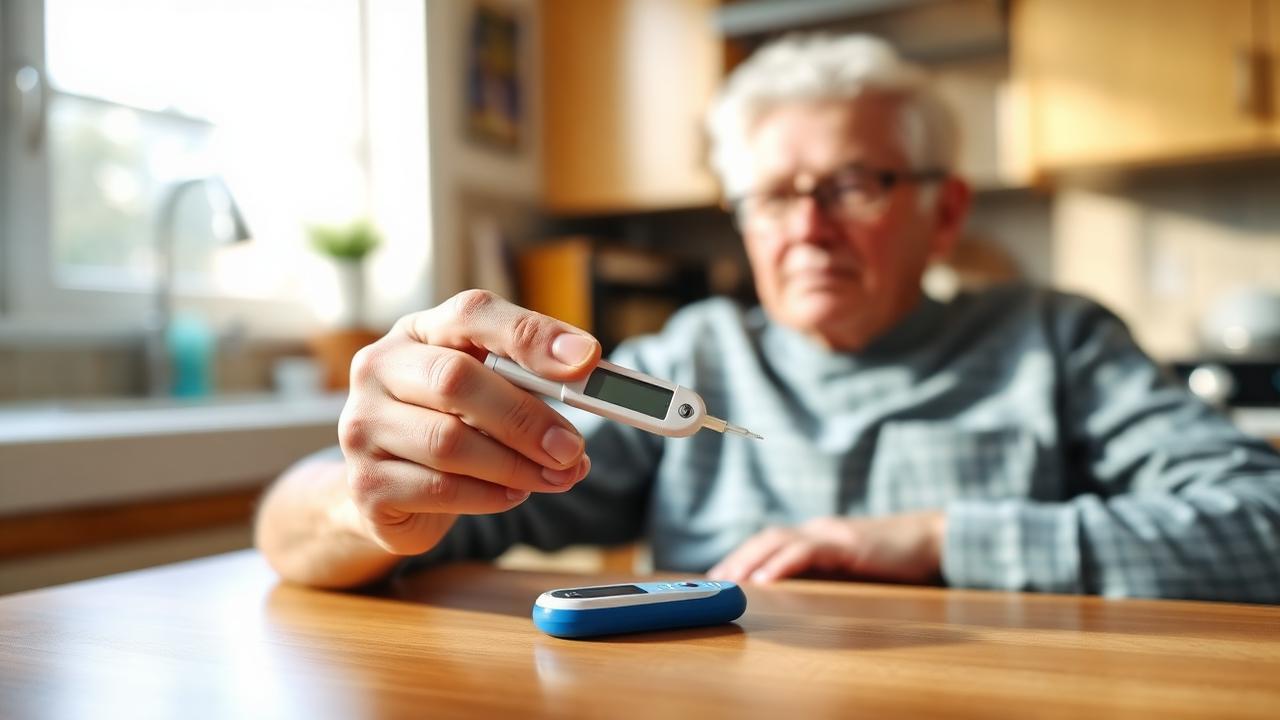
Understanding A1C Levels: What Every Senior Should Know
The A1C test measures average blood sugar over two to three months. Learn what A1C ranges mean, how it relates to daily glucose, and why it is critical for diabetes management in seniors.
Read articleWhat Is Cholesterol Ratio and Why Does It Matter?
Your cholesterol ratio compares total cholesterol to HDL. Learn how to calculate it, what is considered optimal, and practical steps to improve your heart disease risk profile.
Read articleUnderstanding LDL Cholesterol: The 'Bad' Cholesterol Explained
High LDL cholesterol leads to plaque buildup in arteries. Learn what LDL levels mean, how it is calculated, and natural ways to lower it for better heart health.
Read articleResting Heart Rate: What's Normal for Seniors?
Your resting heart rate is a key indicator of cardiovascular health. Learn the normal range, what affects it, when to be concerned, and how to measure accurately at home.
Read articleHeart Rate Zones Explained: Safe Exercise for Older Adults
Understanding heart rate zones helps seniors exercise safely. Learn the five zones, how to find your max heart rate, and which zones are best for older adults.
Read article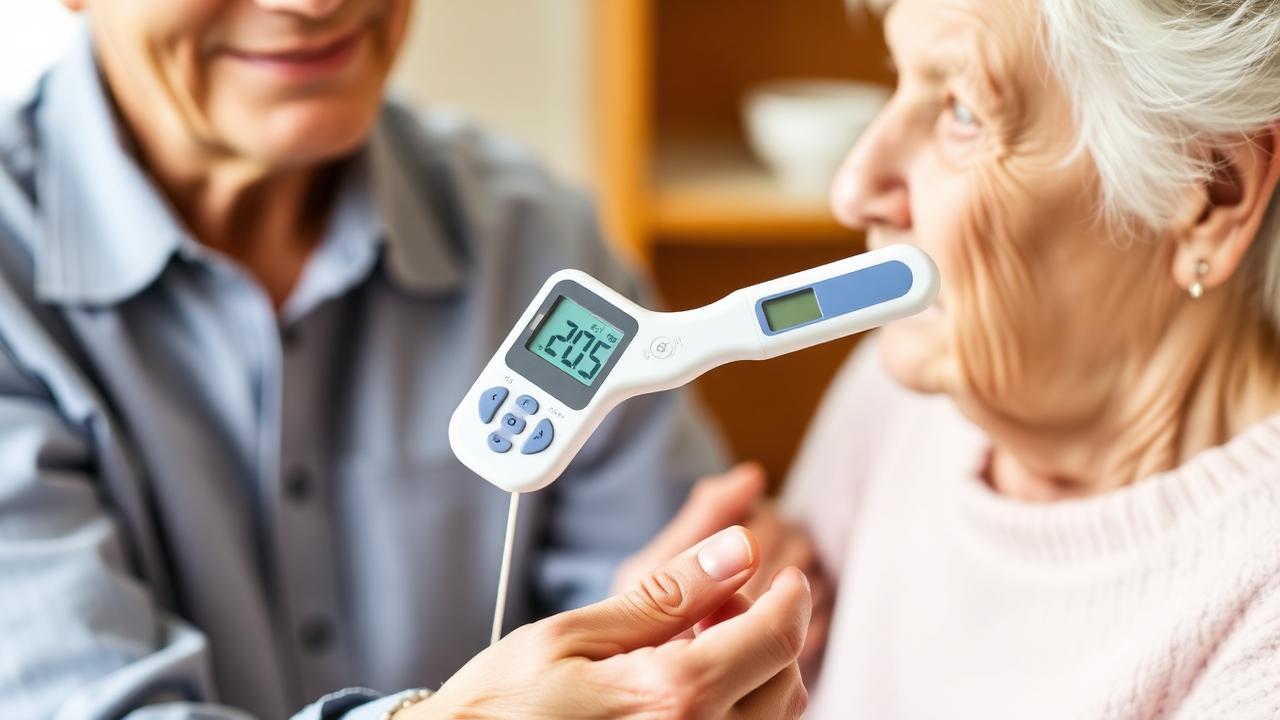
Body Temperature: What's Normal for Elderly Adults?
Normal body temperature for seniors is often lower than 98.6 degrees Fahrenheit. Learn why, what readings indicate a fever, and when to seek medical attention.
Read articleHow Many Calories Do Seniors Need Per Day?
Calorie needs decrease with age, but nutrient needs stay the same. Learn estimated daily requirements by activity level and tips for nutrient-dense eating.
Read article
How Much Sleep Do Older Adults Need?
Older adults need seven to nine hours of sleep, but quality often declines. Learn about common sleep changes, disorders, and evidence-based tips for better rest.
Read articleBlood Sugar Units: mg/dL vs mmol/L Explained
Blood glucose is measured in mg/dL or mmol/L depending on country. Learn the conversion formula, reference ranges, and why understanding both units matters.
Read articleCreatinine Levels: What Seniors Should Know About Kidney Health
Creatinine is a key marker for kidney function. Learn normal ranges, what elevated levels mean, and how to protect kidney health as you age.
Read articleCelsius vs Fahrenheit: Converting Medical Temperatures
Know the conversion formulas and key medical temperature references. Essential knowledge for caregivers using thermometers from different countries.
Read articleUnderstanding Medication Doses: mg, mL, and mcg Explained
Medication dosing units can be confusing. Learn the difference between mg, mcg, and mL, common mistakes, and safety tips for caregivers.
Read article
Oxygen Therapy at Home: What You Need to Know
Home oxygen therapy requires understanding tank types, duration estimates, and safety rules. A complete guide for patients and caregivers.
Read article
Fall Risk Factors Every Caregiver Should Recognize
Falls are the leading cause of injury death in seniors. Learn the physical, medication, and environmental risk factors, and what you can do to prevent them.
Read articleWalker vs Cane: How to Choose the Right Mobility Aid
Choosing the right mobility aid depends on balance, strength, and needs. Learn when to use each, how to ensure proper fit, and the different types available.
Read articleHow to Estimate Home Care Hours Your Loved One Needs
From light companionship to full-time care, learn how to assess ADLs and IADLs to determine the right number of home care hours for your family.
Read articleConstipation in the Elderly: Causes, Prevention, and Relief
Constipation affects up to 40% of older adults. Learn the common causes, prevention strategies, and when to see a doctor about digestive issues.
Read articlePounds to Kilograms: A Simple Conversion Guide for Health and Care
Understanding the difference between pounds and kilograms is essential for medication dosing, dietary guidelines, and health tracking. Learn the conversion formula and why it matters.
Read articleHeight Conversion: Centimeters to Feet and Inches for Medical Use
Height measurements are used for BMI calculations, mobility aid fitting, and nutritional assessments. Learn how to convert between centimeters and feet with confidence.
Read articleWhat Is a Care Needs Assessment and Why Does It Matter?
A care needs assessment evaluates ADLs, IADLs, and safety factors to determine the right level of home care. Learn what it covers and how to use the results.
Read article24-Hour Care vs Live-In Care: Understanding the Difference and Costs
These two care models look similar but differ in staffing, overnight coverage, and cost. Learn which option is right for your family and how much each typically costs.
Read articleMeal Planning for Seniors: How to Keep Nutrition on Track
Good nutrition is one of the most powerful tools for healthy aging. Learn how to plan balanced meals, simplify grocery shopping, and make caregiving easier with a weekly schedule.
Read articleCaregiver Shift Handover: Why Good Notes Make Better Care
When multiple caregivers share responsibility, clear handover notes prevent missed medications, skipped meals, and overlooked health changes. Learn what to include and why it matters.
Read article
Stair Safety for Seniors: Reducing Fall Risk on Steps
Stairs are one of the most hazardous features in any home for older adults. Learn about common stair hazards, practical modifications, and safe habits for using steps.
Read articleFall-Proofing Your Home: A Room-by-Room Guide
The most effective approach to fall prevention is going room by room and systematically addressing hazards. This guide covers the bathroom, bedroom, kitchen, and more.
Read articleSafe Patient Transfers at Home: A Guide for Caregivers
Transferring a person between surfaces is one of the highest-risk tasks in caregiving. Learn proper technique, safety checks, and common mistakes to avoid.
Read articleStaying Hydrated: How Daily Reminders Help Seniors Drink Enough Water
Proactive hydration reminders can prevent dehydration-related health problems in older adults. Learn how to build a schedule and which tools make it easier.
Read article
The Medicare GUIDE Program: Free In-Home Dementia Care and Respite Hours
The CMS GUIDE Model offers families caring for someone with dementia up to $2,500 per year in respite care plus a dedicated care navigator, at no cost. Learn who qualifies and how to enroll.
Read articleFederal and State Programs That Pay for Home Care at No Cost to Families
From Medicaid HCBS waivers and PACE to Veterans Aid & Attendance and the new GUIDE Model, multiple federal and state programs cover in-home care. A complete guide to what your family may qualify for.
Read article
SCAN Health Plan: In-Home Care and Respite Benefits Explained
SCAN Medicare Advantage plans include 80–120 hours of in-home personal care and 20–40 hours of caregiver respite per year. Learn how to find out exactly what your plan offers and how to activate the benefit.
Read articleMedicaid HCBS Waivers: How They Pay for Home Care for Seniors
Home and Community-Based Services waivers let Medicaid cover personal care, respite, home modifications, and more so seniors can avoid nursing homes. A state-by-state primer on eligibility and how to apply.
Read articlePACE: The Program of All-Inclusive Care for the Elderly Explained
PACE bundles every type of medical and supportive care, including in-home aides and adult day health, into a single program with no out-of-pocket cost for dual-eligible seniors. Learn who qualifies and how it works.
Read article
VA Aid and Attendance: Free Home Care for Veterans and Spouses
Wartime veterans and surviving spouses can receive over $2,700 per month in tax-free cash to pay for in-home care. A complete guide to eligibility, application steps, and avoiding common mistakes.
Read articleCalifornia IHSS: In-Home Supportive Services Program Complete Guide
California's IHSS pays family members and other caregivers up to 283 hours per month to provide personal care at home. Learn who qualifies, how hours are assessed, and how to apply.
Read articleCalAIM Community Supports: New California Medi-Cal Home Care Benefits
CalAIM lets Medi-Cal managed care plans pay for in-home personal care, medically tailored meals, home modifications, and respite. A guide to the 14 Community Supports and how to access them.
Read articleCalifornia MSSP: Multipurpose Senior Services Program Explained
MSSP is California's Medi-Cal waiver that combines a dedicated care management team with a flexible budget for in-home services, adult day care, transportation, and respite. Eligibility and how to apply.
Read article
Hospital Discharge Planning in the San Fernando Valley: A Family Survival Guide
A practical, hospital-by-hospital playbook for the first 72 hours at home after a discharge from Northridge, West Hills, Providence Holy Cross, Kaiser Woodland Hills, or Encino Hospital.
Read article
Senior-Friendly Parks and Walking Spots in Thousand Oaks, Westlake Village and Agoura Hills
Local caregivers' favorite flat, shaded loops with benches and clean restrooms. Includes Conejo Creek North, Westlake Lake Promenade, Old Agoura Park, and more.
Read article
Aging in Place in Simi Valley: A Local Family's Guide
What it actually takes to keep a parent safely at home in Simi Valley. Local hospitals, transportation, home modifications, real costs, and the California programs that help.
Read article
10 Quiet Signs It Is Time to Bring in Home Care
The early warning signs experienced caregivers actually look for. Unopened mail, repeating meals, unexplained bruises, and the patterns that show up long before a crisis.
Read articleHow to Talk to a Parent About Hiring a Caregiver Without Starting a Fight
The conversation most adult children dread. Specific phrases that work, buttons that backfire, and how to introduce care without triggering defensiveness.
Read articleCalifornia Medicare Advantage Plans That Cover Home Care: SCAN, Anthem, and Alignment Compared
Which Medicare Advantage plans cover home health care in California? A side-by-side look at SCAN, Anthem Blue Cross, and Alignment Health, plus the questions to ask during open enrollment.
Read articleDoes Medicare Cover In-Home Care? A Complete Guide for Families
What Medicare actually pays for at home, what Medicare Advantage and Kaiser Senior Advantage add, where Medi-Cal and VA benefits fit, and how families piece it all together.
Read articleHome Care vs Home Health Care: What Is the Difference?
Home health care is short-term skilled medical care ordered by a doctor and often covered by Medicare. Home care is ongoing non-medical help with daily life, usually paid privately. Here is how families should choose.
Read articleFree calculators readers use most
More articles coming soon. Bookmark this page and check back regularly!