Fall-Proofing Your Home: A Room-by-Room Guide
Fact-checked against published guidelines under our editorial and review policy. Educational information only, not medical advice. Read the full disclaimer.
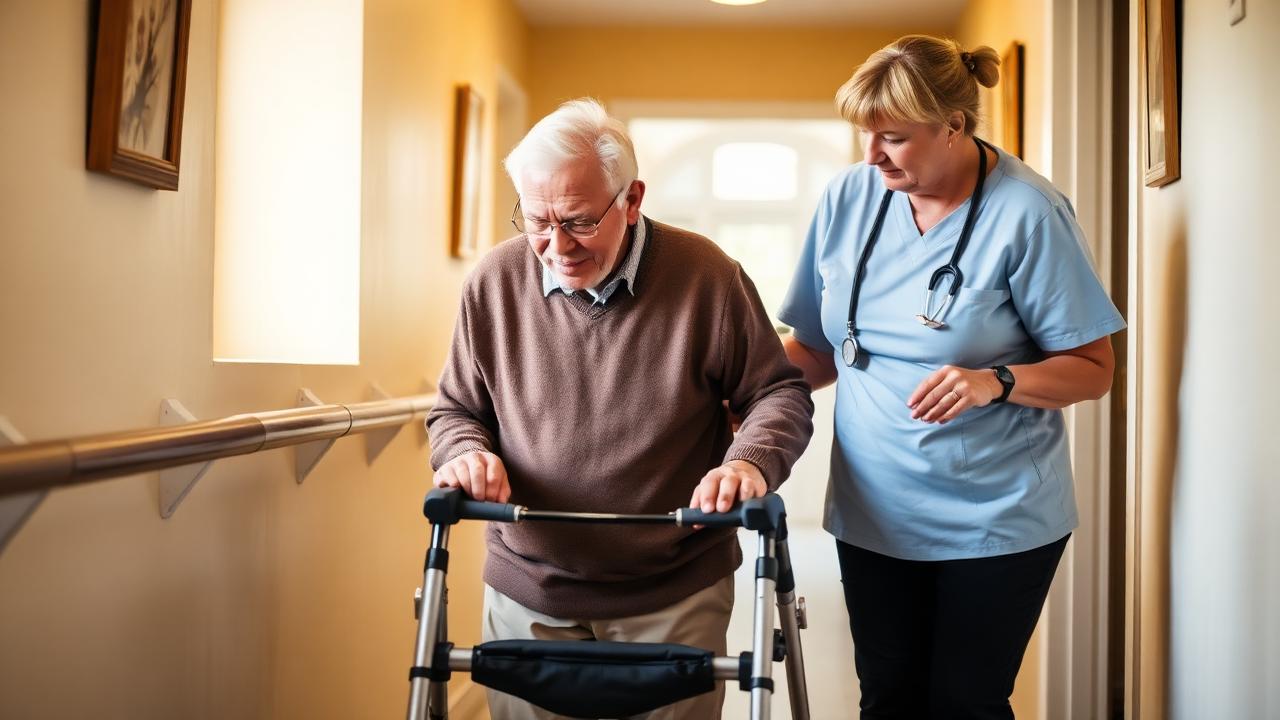
When families first think about making a home safer for an older adult, the task can feel overwhelming. Where do you even start? The most effective approach is to go room by room, systematically identifying hazards and addressing them one at a time. Not every fix requires a contractor or a big budget. Many of the highest-impact changes are inexpensive and can be completed in an afternoon.
The Bathroom
This is consistently the most dangerous room for falls. Start here.
- Install grab bars next to the toilet and inside the shower or tub. Make sure they are wall-mounted into studs.
- Place non-slip mats or adhesive strips in the tub and on the bathroom floor.
- Add a raised toilet seat if sitting down and standing up is difficult.
- Consider a shower bench or chair to eliminate standing during bathing.
- Replace a standard showerhead with a handheld model on a flexible hose.
- Install a nightlight for safe nighttime bathroom trips.
The Bedroom
- Make sure the path from the bed to the bathroom is clear and well-lit. A motion-sensor nightlight is ideal.
- Ensure the bed is at an appropriate height. Getting in and out should not require climbing or excessive bending.
- Place a lamp or light switch within arm's reach of the bed.
- Secure or remove any throw rugs that could slide on hardwood or tile floors.
- Keep a phone or medical alert device within reach from the bed.
The Kitchen
- Store frequently used items (plates, glasses, utensils) at waist to chest height to avoid bending or reaching overhead.
- Wipe up spills immediately. Even a few drops of water on a tile floor can cause a slip.
- Use a sturdy step stool with a handrail if reaching high shelves is occasionally necessary. Better yet, rearrange storage to eliminate the need entirely.
- Make sure the kitchen is well-lit, including under-cabinet lighting for countertop work areas.
The Living Room
- Arrange furniture to create wide, clear pathways. Remove or relocate anything that forces the person to weave or step over obstacles.
- Secure all area rugs with double-sided tape or non-slip rug pads. Alternatively, remove them entirely.
- Tuck electrical cords behind furniture or along walls so they do not cross walking paths.
- Make sure the person's usual chair is at a height that allows them to sit and stand easily. A lift chair can be a worthwhile investment for someone with leg weakness.
Hallways and Entryways
- Install bright lighting throughout all hallways. Motion-sensor lights are excellent for hallways that are walked through at night.
- Add a handrail along long hallways if the person is unsteady on their feet.
- Make sure the front door area is well-lit and free of tripping hazards like doormats with curled edges or uneven thresholds.
Use our Fall-Proofing Room Planner to select a specific room and get a tailored safety checklist with the top three fixes to prioritize.
Need Professional Home Care?
For a professional home safety assessment, a licensed home care agency provides in-home evaluations and ongoing safety monitoring as part of their care services.