Hospital Discharge Planning in the San Fernando Valley: A Family Survival Guide
Fact-checked against published guidelines under our editorial and review policy. Educational information only, not medical advice. Read the full disclaimer.
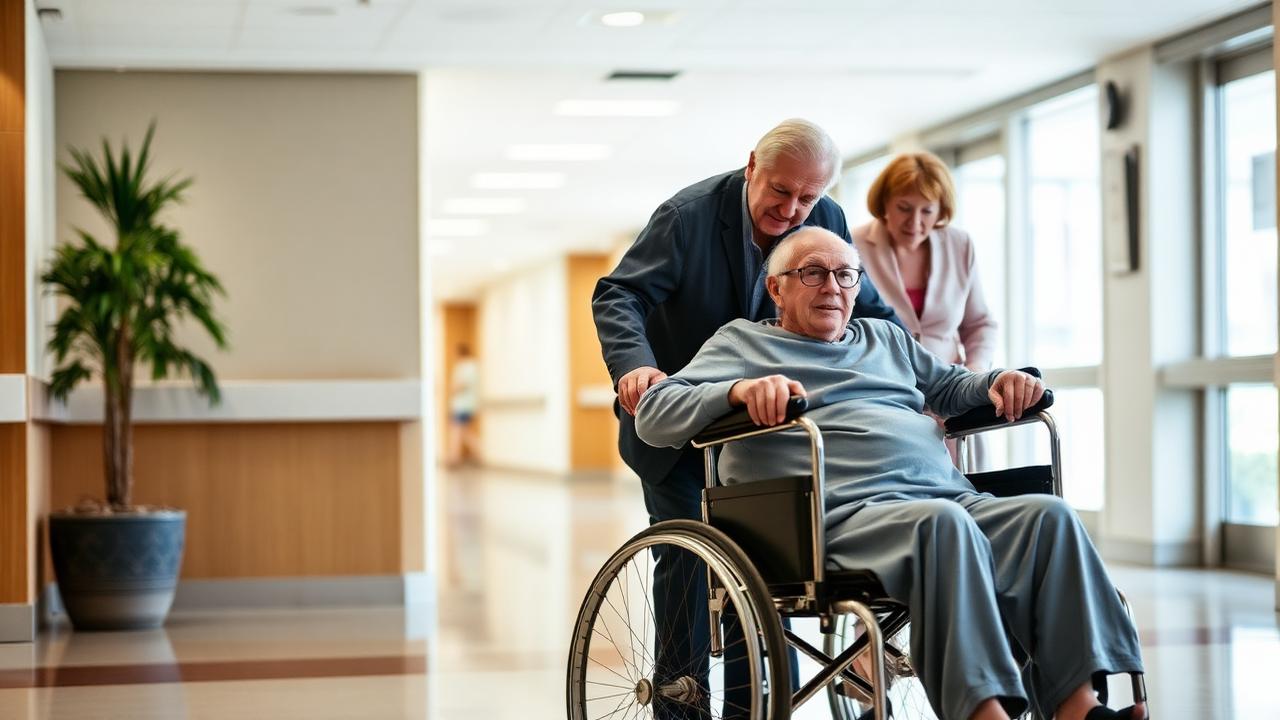
Hospital discharge in the San Fernando Valley moves faster than most families expect. A nurse hands you a binder, a case manager asks where Dad is going, and within a few hours you are pushing a wheelchair to your car. If you have not arranged help at home, the next 72 hours are when most preventable readmissions happen.
This guide is built for families discharging a loved one from one of the Valley's main hospitals: Northridge Hospital Medical Center, West Hills Hospital, Providence Holy Cross in Mission Hills, Kaiser Woodland Hills, and Encino Hospital. The systems differ slightly, but the survival playbook is the same.
Start the Conversation Before Discharge Day
The single biggest mistake families make is waiting for the social worker to call. By that point, beds are already being assigned. Ask to speak with the case manager or discharge planner within 24 hours of admission. Tell them three things: who lives in the home, what the home looks like (single story, stairs, narrow doorways), and whether you can take time off work.
At Northridge Hospital and Providence Holy Cross, case management rounds happen most weekdays. Ask when they meet about your loved one and request that you be looped in by phone if you cannot be there.
Understand What Medicare Will and Will Not Cover
If your loved one was admitted as an inpatient for at least three midnights, traditional Medicare may pay for up to 100 days in a skilled nursing facility for rehab. If they were admitted as observation status, even for several days, Medicare will not cover skilled nursing. This catches families off guard constantly. Ask the hospital point-blank: was this admission inpatient or observation?
For care at home, Medicare home health is short-term and intermittent. It covers a nurse and a therapist a few visits a week, plus a home health aide for bathing for short windows. It does not cover the daily personal care that most families actually need, like meal prep, supervision, and help getting to the bathroom safely. That is where private home care or one of the no-cost programs we cover at this guide comes in.
The 72-Hour Risk Window
Roughly one in five Medicare patients is readmitted within 30 days, and the majority of those readmissions trace back to the first 72 hours at home. The biggest causes:
- Medication confusion (a new prescription replacing or duplicating a familiar one)
- Missed follow-up appointments because nobody could drive
- A fall in the first day or two when the patient overestimates what they can do
- Skipped meals because cooking is harder than expected
Plan for those four risks specifically. Have someone in the home for the first three days even if it is just a family member rotating with a paid caregiver.
What to Set Up Before You Leave the Hospital
- Get the discharge medication list and reconcile it that day. Bring every bottle from home, lay them on the kitchen table, and identify what is new, what is changed, and what to stop. Pharmacists at Vons, Ralphs, and CVS in the Valley will help you for free.
- Confirm the follow-up appointment. Most discharge instructions say "follow up with primary care in 7 to 10 days." Call before you leave the parking lot.
- Order any equipment. If a walker, raised toilet seat, or shower bench was prescribed, get it ordered through the hospital's preferred DME vendor before you leave. Otherwise it can take a week.
- Block the home of trip hazards. Throw rugs, low cords, slippery bath mats. Use our Home Safety Checklist for a 10-minute room-by-room sweep.
- Arrange transportation. Discharge often happens at odd hours. If you cannot drive, Access Paratransit serves Northridge, Chatsworth, Encino, Woodland Hills, and most of the Valley with advance booking. Lyft and Uber are faster but rougher on someone in pain.
The Caregivers Who Help With This
Hospital-to-home care is a specific skill. A good caregiver walks through the discharge instructions with you, sets up a medication board, schedules vitals checks, watches for warning signs, and drives to follow-up appointments. They are not a nurse, but they are the eyes and hands that catch problems before they turn into another ER visit.
If your loved one is being discharged from Northridge, West Hills, Providence Holy Cross, or Kaiser Woodland Hills, a local agency can usually start care the same day with a few hours notice. a licensed home care agency covers all of these hospitals and can meet you at the curb.
Do Not Skip the Discharge Paperwork
The discharge summary contains every diagnosis, every medication, and every follow-up. Take a photo of every page before you leave the room. Hospitals do send the chart electronically, but it can take days to reach the primary care doctor. The photo on your phone is what you will actually use.
If Things Go Wrong
If your loved one becomes confused, more short of breath, develops a fever, or starts vomiting in the first week, call the hospital's discharge nurse line before going to the ER. Most hospitals in the Valley have a dedicated nurse line. Northridge and Providence Holy Cross both run 24-hour lines for recent dischargees. They can often arrange a same-day clinic visit and avoid an admission.
Free Tools to Use
- Care Needs Assessment to figure out how many hours of help to plan for
- Medication Schedule Planner to print a board for the kitchen counter
- Caregiver Handover Note if multiple family members will rotate
- Find Your Care Match for a personalized recommendation
Discharge does not have to feel like a freefall. A little planning in the first 48 hours saves a lot of grief later.