Meal Planning for Seniors: How to Keep Nutrition on Track
Fact-checked against published guidelines under our editorial and review policy. Educational information only, not medical advice. Read the full disclaimer.
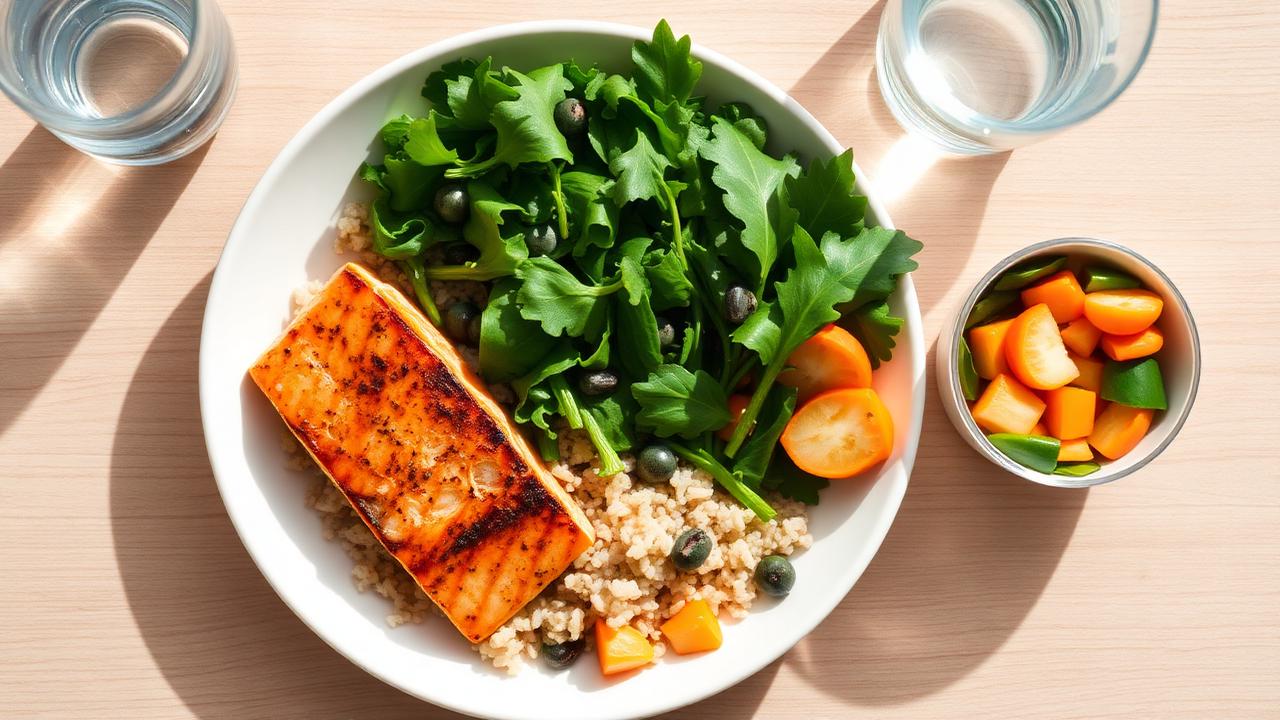
Good nutrition is one of the most powerful tools for healthy aging, yet many older adults struggle with it. Appetite often declines with age, cooking can become physically demanding, and grocery shopping may be difficult for someone with limited mobility or vision. Meal planning helps address these challenges by turning nutrition from a daily guessing game into an organized routine. When meals are planned in advance, it is easier to ensure balanced nutrition, reduce food waste, and simplify the workload for both the senior and their caregiver.
Why Meal Planning Matters for Older Adults
- Prevents malnutrition: Planning ensures that each day includes adequate protein, fiber, vitamins, and minerals rather than relying on whatever happens to be in the pantry.
- Supports hydration: When fluids are included in the meal plan (soups, smoothies, water with meals), the person is more likely to stay hydrated.
- Reduces food waste: Buying only what is needed for planned meals cuts down on food that expires before it is eaten.
- Simplifies caregiver responsibilities: A caregiver who arrives to a prepared plan can focus on cooking and companionship rather than figuring out what to make.
Building a Balanced Daily Meal Plan
A good daily meal plan for an older adult should include:
- Breakfast: A protein source (eggs, Greek yogurt, or cottage cheese), a whole grain (oatmeal, whole-wheat toast), and a fruit.
- Mid-morning snack: A handful of nuts, a piece of fruit, or a small serving of cheese and crackers.
- Lunch: A lean protein (chicken, tuna, beans), vegetables (raw or cooked), and a starch (sweet potato, brown rice, whole-grain bread).
- Afternoon snack: Yogurt with berries, hummus with carrot sticks, or a protein smoothie.
- Dinner: A protein, two servings of vegetables, and a healthy fat source (olive oil, avocado).
- Fluids throughout the day: Water, herbal tea, broth, or infused water with every meal and between meals.
Tips for Making Meal Planning Easier
- Plan one week at a time and create a shopping list based on the plan.
- Cook in batches on one or two days and refrigerate or freeze portions for the rest of the week.
- Keep a list of five to ten "go-to" meals that the person enjoys and that are easy to prepare. Rotate these to reduce decision fatigue.
- Use pre-cut vegetables, rotisserie chicken, canned beans, and frozen fruit to save preparation time.
- Label containers with the meal name and date so both the senior and any visiting caregiver know what is available.
Use our Meal and Hydration Planner to create a printable daily schedule that includes meals, snacks, and fluid reminders.
Need Professional Home Care?
For help with grocery shopping, meal preparation, and nutrition monitoring, a licensed home care agency provides dedicated in-home caregivers trained in senior nutrition.