Stair Safety for Seniors: Reducing Fall Risk on Steps
Fact-checked against published guidelines under our editorial and review policy. Educational information only, not medical advice. Read the full disclaimer.
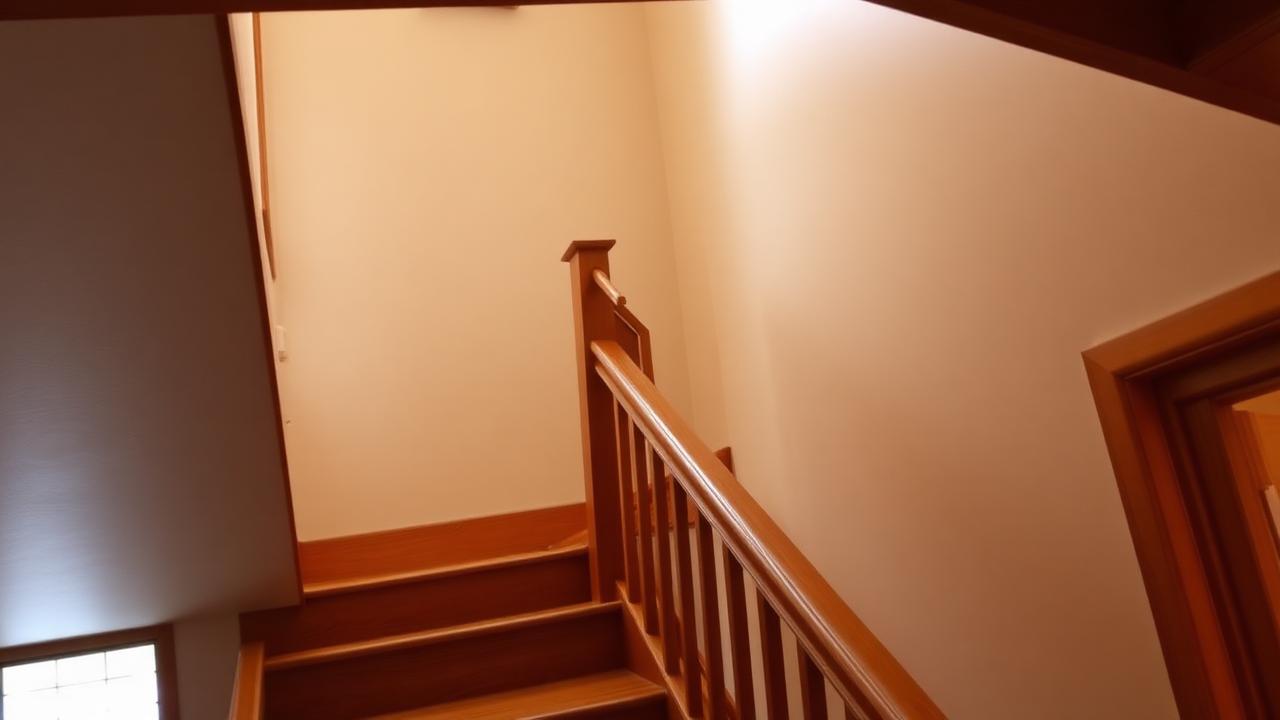
Stairs are one of the most hazardous features in any home for an older adult. The physical demands of climbing and descending steps, combined with common age-related changes in balance, vision, and leg strength, create a situation where a single misstep can result in a serious injury. Falls on stairs account for a significant percentage of fall-related fractures and head injuries in people over 65. The good news is that most stairway hazards can be addressed with targeted modifications and a few simple habits.
Common Stair Hazards
- Missing or loose handrails: A handrail that wobbles or only covers part of the staircase gives a false sense of security.
- Poor lighting: Dimly lit stairways make it difficult to see the edges of steps clearly, especially for someone with cataracts or reduced contrast sensitivity.
- Worn or slippery treads: Carpet that is thin, loose, or bunched up, and hardwood or tile treads without any grip material, increase the chance of slipping.
- Clutter on steps: Shoes, books, bags, and other items left on stairs are trip hazards that are surprisingly common.
- Inconsistent step heights: Steps that vary in height even slightly can throw off the body's rhythm and cause stumbling.
- No visual contrast at step edges: If every step is the same color as the one above and below, it can be hard to see where one step ends and the next begins.
Practical Modifications to Improve Stair Safety
- Install sturdy handrails on both sides of every staircase. They should run the full length of the stairs and extend slightly past the top and bottom steps.
- Improve lighting with bright, even illumination at both the top and bottom of the stairs. Light switches should be accessible from both ends. Motion-activated lights are ideal for nighttime.
- Apply non-slip adhesive strips or non-slip paint to each step edge. Brightly colored strips also improve visibility.
- Keep stairs completely clear of objects at all times. Create a rule that nothing is stored on steps, even temporarily.
- Replace worn carpet on stairs, or consider switching to a non-slip surface if the carpet is too old to provide traction.
- If possible, arrange living spaces so the person does not need to use stairs frequently. Moving the bedroom to the ground floor, for instance, eliminates the need for nighttime stair use.
Safe Stair-Use Habits
- Always use the handrail, even when carrying something. If you need both hands to carry an item, make two trips or ask for help.
- Take one step at a time. Rushing on stairs is one of the most common causes of falls.
- Wear shoes or slippers with non-slip soles. Avoid going barefoot or wearing socks on stairs.
Use our Stair Safety Assessment Tool to evaluate the safety of your stairways and get specific improvement recommendations.
Need Professional Home Care?
For help with mobility and stair safety at home, a licensed home care agency provides in-home support including walking assistance, home safety evaluations, and fall prevention strategies.