Blood Sugar Units: mg/dL vs mmol/L Explained
Fact-checked against published guidelines under our editorial and review policy. Educational information only, not medical advice. Read the full disclaimer.
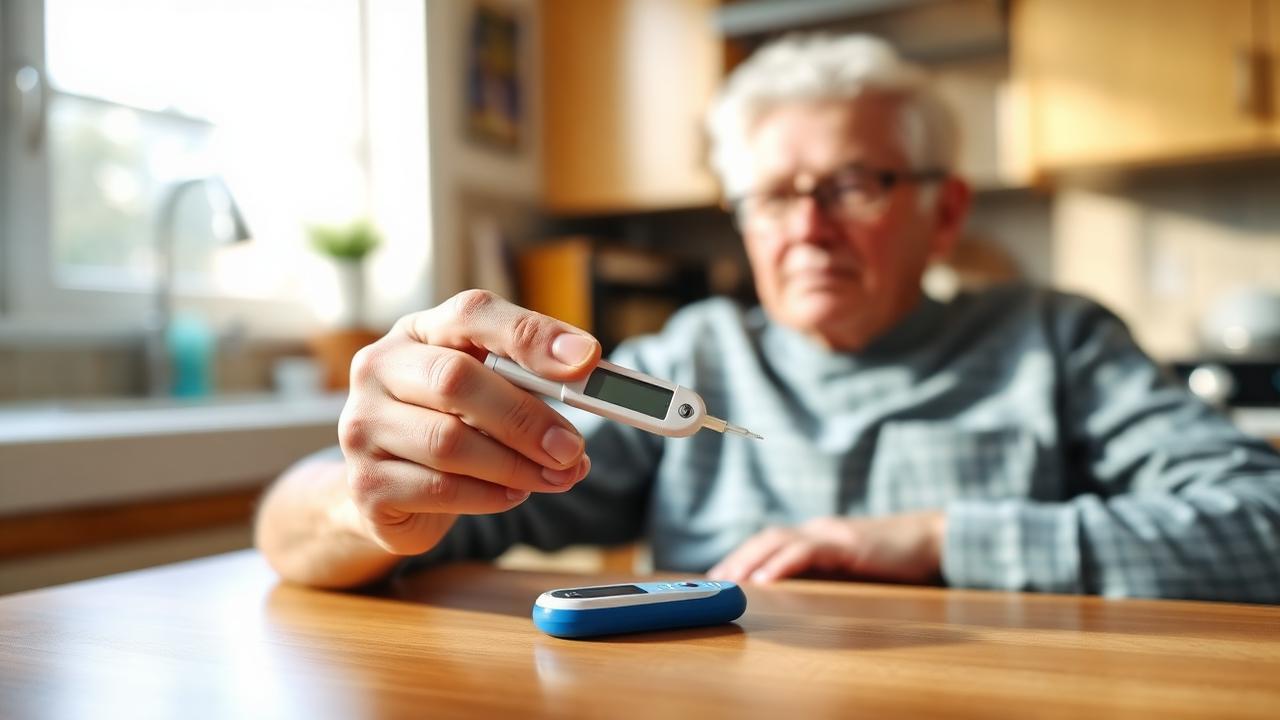
If you manage diabetes or help someone who does, understanding blood sugar units is not just academic, it is genuinely practical. Depending on where you live, your glucose meter might display readings in mg/dL (milligrams per deciliter), which is the standard in the United States, Japan, and several other countries, or in mmol/L (millimoles per liter), which is used across most of Europe, Canada, Australia, and other parts of the world. Knowing how to convert between the two means you can correctly interpret readings from any device and understand medical articles regardless of which system the authors used.
The Conversion Formula
The conversion factor between these two units is 18.0182, which you can round to 18 for quick mental math:
- To convert mg/dL to mmol/L: Divide by 18
- To convert mmol/L to mg/dL: Multiply by 18
For example, a fasting glucose of 100 mg/dL is approximately 5.6 mmol/L. A reading of 7.0 mmol/L converts to roughly 126 mg/dL.
Reference Ranges for Fasting Blood Sugar
- Normal: 70 to 99 mg/dL (3.9 to 5.5 mmol/L)
- Prediabetes: 100 to 125 mg/dL (5.6 to 6.9 mmol/L)
- Diabetes: 126 mg/dL or above (7.0 mmol/L or above)
Why Understanding Both Units Matters
There are several practical scenarios where this knowledge becomes important:
- You travel internationally and need to use a glucose meter purchased in another country.
- You read a health article or research study that reports results in the unit system you are not accustomed to.
- A family member living abroad shares their lab results with you and you need to understand what the numbers mean.
- You accidentally switch your glucose meter's display setting and are suddenly seeing unfamiliar numbers.
In all of these cases, knowing the simple conversion formula keeps you from misinterpreting a reading that could affect medical decisions.
Use our Blood Sugar Converter to instantly convert between mg/dL and mmol/L without any manual math.
Need Professional Home Care?
For diabetes management support at home, a licensed home care agency provides in-home care including blood sugar monitoring assistance and diabetic-friendly meal preparation.