Understanding A1C Levels: What Every Senior Should Know
Fact-checked against published guidelines under our editorial and review policy. Educational information only, not medical advice. Read the full disclaimer.
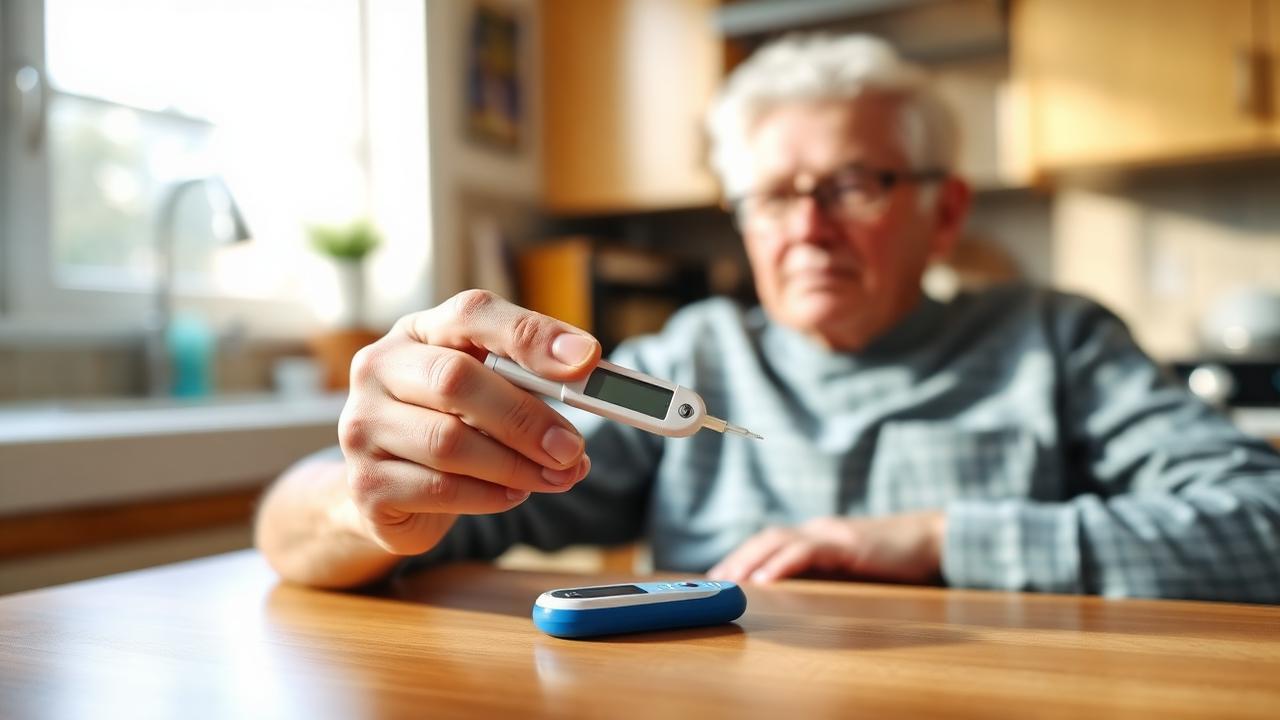
If you or someone you care for has diabetes, or is at risk for developing it, the A1C test is one of the most important blood tests to understand. Unlike a standard finger-prick glucose check that tells you what your blood sugar is right now, the A1C test (also known as HbA1c or glycated hemoglobin) provides an average of your blood sugar levels over the previous two to three months. That longer view makes it an invaluable tool for tracking how well a diabetes treatment plan is working.
How the A1C Test Works
When sugar (glucose) enters the bloodstream, some of it naturally attaches to hemoglobin, the protein inside red blood cells that carries oxygen. Once glucose binds to hemoglobin, it stays attached for the lifespan of that red blood cell, which is roughly 120 days. The A1C test measures what percentage of your hemoglobin has glucose stuck to it. A higher percentage means your average blood sugar has been running higher.
What the Numbers Mean
- Below 5.7%: Normal range. No indication of diabetes.
- 5.7% to 6.4%: Prediabetes. Blood sugar is higher than normal but not yet high enough for a diabetes diagnosis. Lifestyle changes at this stage can sometimes prevent full-blown diabetes from developing.
- 6.5% or higher: Diabetes. A second confirmatory test is usually ordered before a formal diagnosis is made.
A1C vs. Daily Glucose Readings
Daily finger-prick tests show a snapshot of blood sugar at a single moment. The A1C test, on the other hand, captures the bigger picture. For reference, an A1C of 6% corresponds to an average blood sugar of roughly 126 mg/dL, while an A1C of 7% corresponds to about 154 mg/dL, and an A1C of 8% corresponds to roughly 183 mg/dL.
Both types of testing serve different purposes and complement each other. Daily checks help with meal-to-meal and day-to-day decisions, while A1C guides the overall treatment strategy.
Why A1C Is Especially Important for Seniors
Older adults with diabetes face heightened risks for complications including heart disease, kidney damage, vision loss, and nerve damage in the feet. The A1C test gives doctors an efficient way to monitor whether treatment, whether through medication, diet, exercise, or a combination, is keeping glucose in a safe range over time.
It is worth noting that A1C targets may be slightly different for older adults compared to younger patients. For healthy seniors, many physicians aim for an A1C below 7.5%, while for frail seniors or those with multiple chronic conditions, a target of 8% or lower may be more appropriate to avoid the risks of low blood sugar (hypoglycemia).
How Often Should You Get Tested?
People with well-controlled diabetes typically get an A1C test every six months. Those whose treatment plan has recently changed, or whose levels are not yet at target, may be tested every three months.
Use our A1C Converter to see how your A1C percentage translates to estimated average glucose in mg/dL.
Need Professional Home Care?
If your loved one needs help managing diabetes at home, a licensed home care agency provides personalized in-home care including blood sugar monitoring support and healthy meal preparation.