Body Temperature: What's Normal for Elderly Adults?
Fact-checked against published guidelines under our editorial and review policy. Educational information only, not medical advice. Read the full disclaimer.
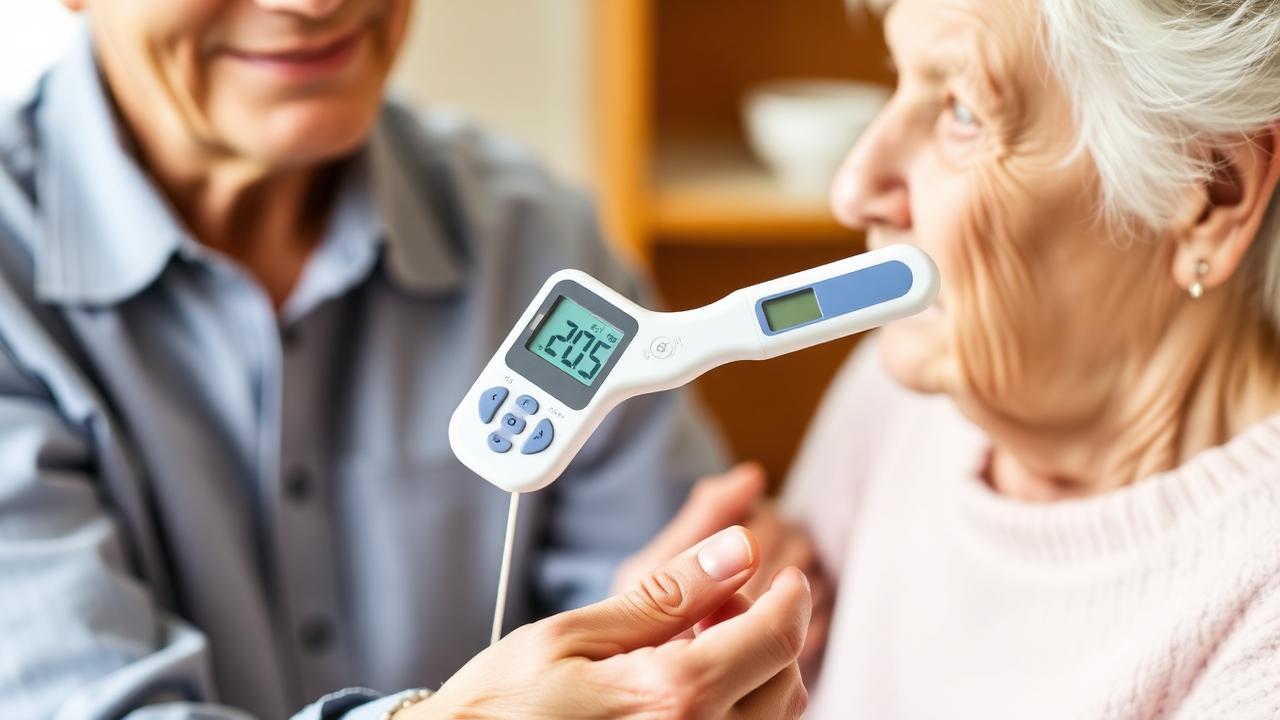
For more than a century, 98.6 degrees Fahrenheit (37 degrees Celsius) has been considered the gold standard for normal body temperature. That number comes from a study conducted by a German physician in 1851. More recent research, however, has shown that average body temperature has actually declined slightly over the generations, and for older adults, the baseline tends to run even lower. This matters because a senior with a temperature of 99 degrees Fahrenheit might actually be running a fever, even though that reading would seem perfectly normal for a younger adult.
What Is Normal for Seniors?
For many older adults, a normal resting body temperature can be as low as 97.0 degrees Fahrenheit (36.1 degrees Celsius). Some studies have found average temperatures in healthy adults over 65 to be around 97.5 to 97.8 degrees Fahrenheit. The key is to know what your own baseline is by measuring at the same time of day over several days when you are feeling well.
Why Do Seniors Run Cooler?
- Metabolism naturally slows with age, producing less internal heat.
- The body's ability to regulate temperature becomes less efficient over time.
- Older adults tend to have less subcutaneous fat, which serves as insulation.
- Certain medications, including beta-blockers and sedatives, can lower body temperature.
- Reduced physical activity generates less body heat throughout the day.
When to Be Concerned
- Below 95 degrees Fahrenheit (35 degrees Celsius): Possible hypothermia. This is a medical emergency, especially in winter or in rooms that are not adequately heated.
- Above 99 degrees Fahrenheit (37.2 degrees Celsius) in a senior: May indicate an infection. In older adults, the immune response is sometimes muted, meaning that a "low-grade" fever might actually represent a significant infection.
- Above 103 degrees Fahrenheit (39.4 degrees Celsius): High fever. Seek immediate medical care.
Tips for Measuring Temperature at Home
Digital oral thermometers are the most practical option for home use. Place the tip under the tongue, close the mouth, and wait for the beep. Temporal (forehead) thermometers are convenient and quick but can be slightly less accurate if the person has been sweating or wearing a hat. Regardless of the device, consistency is important. Use the same thermometer and the same measurement method each time for the most reliable comparison.
Use our Body Temperature Checker to interpret your reading and understand what the numbers mean for your age group.
Need Professional Home Care?
For help monitoring vital signs at home, a licensed home care agency provides in-home care including daily health monitoring and wellness support.