How Much Protein Do Older Adults Really Need?
Fact-checked against published guidelines under our editorial and review policy. Educational information only, not medical advice. Read the full disclaimer.
Muscle loss is one of those gradual changes that sneaks up on people. Starting around age 30, the body begins losing roughly three to five percent of its muscle mass each decade. By the time someone reaches their 70s, this cumulative loss can affect balance, energy, bone strength, and the ability to recover from illness or injury. Eating enough protein is one of the most effective ways to slow this process down.
How Much Protein Do Seniors Actually Need?
The Recommended Dietary Allowance (RDA) set by the USDA is 0.8 grams of protein per kilogram of body weight per day. However, multiple research groups specializing in geriatric nutrition, including the PROT-AGE study group and the European Society for Clinical Nutrition and Metabolism (ESPEN), recommend significantly higher targets for older adults:
- Healthy older adults: 1.0 to 1.2 grams per kilogram of body weight daily
- Older adults with chronic illness: 1.2 to 1.5 grams per kilogram daily
- Severely ill or malnourished: Up to 2.0 grams per kilogram, under medical supervision
For a 150-pound person, that works out to roughly 68 to 82 grams of protein per day in the healthy range. To put that in food terms, one chicken breast contains about 30 grams, one cup of Greek yogurt has about 15 grams, and two eggs contribute around 12 grams.
Best Protein Sources for Older Adults
- Lean poultry: Chicken breast, turkey breast, or ground turkey
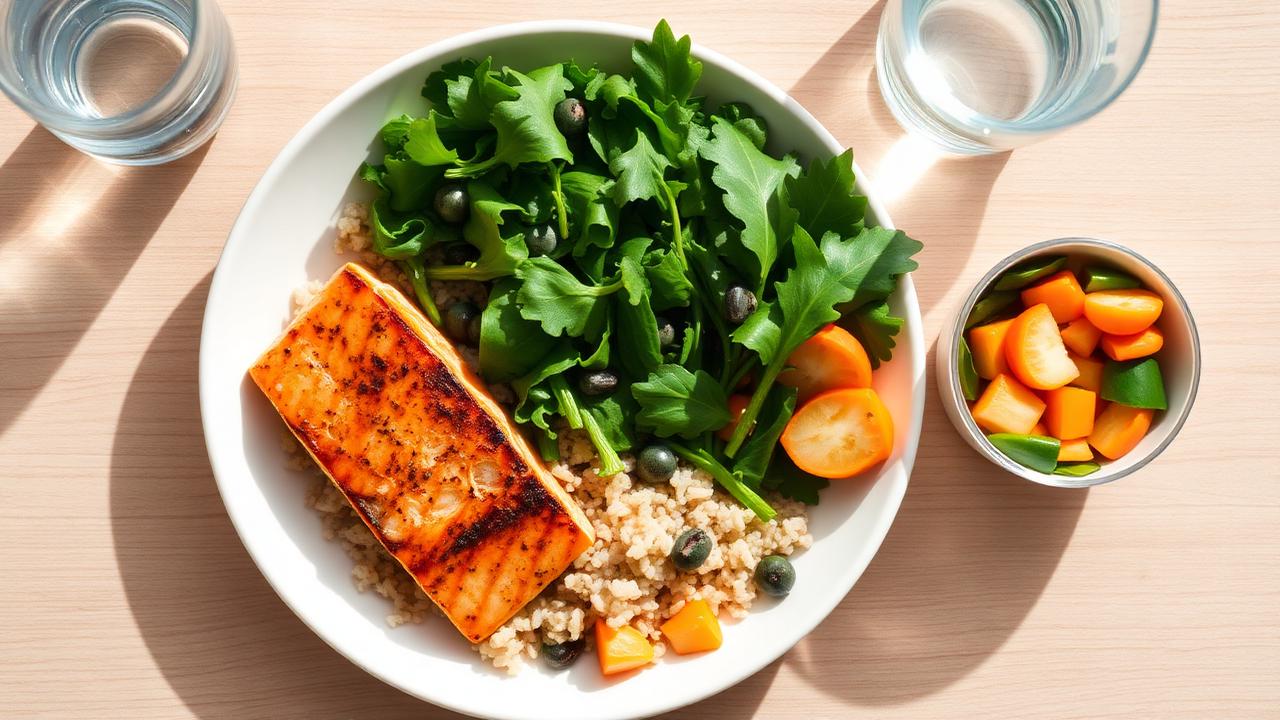
- Fish and seafood: Salmon, tuna, shrimp, and cod are all excellent choices and provide omega-3 fatty acids as a bonus
- Eggs: One of the most complete and affordable protein sources available
- Dairy: Greek yogurt, cottage cheese, and regular milk all deliver high-quality protein
- Legumes: Beans, lentils, and chickpeas provide protein along with fiber
- Nuts and seeds: Almonds, peanut butter, and chia seeds work well as snacks or meal additions
Practical Tips for Meeting Daily Protein Goals
- Include a protein source at every meal, not just dinner. Many people eat very little protein at breakfast, which is a missed opportunity.
- Spread protein intake throughout the day rather than loading it all into one meal. Research suggests the body can only use a limited amount of protein at one time for muscle building.
- Keep protein-rich snacks handy: hard-boiled eggs, string cheese, roasted almonds, or a small container of Greek yogurt.
- If appetite is low, consider a protein supplement drink or powder mixed into a smoothie. Look for products with 20 to 30 grams of protein per serving and minimal added sugar.
Use our Protein Needs Estimator to calculate your recommended daily protein target based on your weight and activity level.
Need Professional Home Care?
If your loved one needs help with nutrition and meal preparation, a licensed home care agency provides personalized in-home care including meal planning and preparation.