How Many Calories Do Seniors Need Per Day?
Fact-checked against published guidelines under our editorial and review policy. Educational information only, not medical advice. Read the full disclaimer.
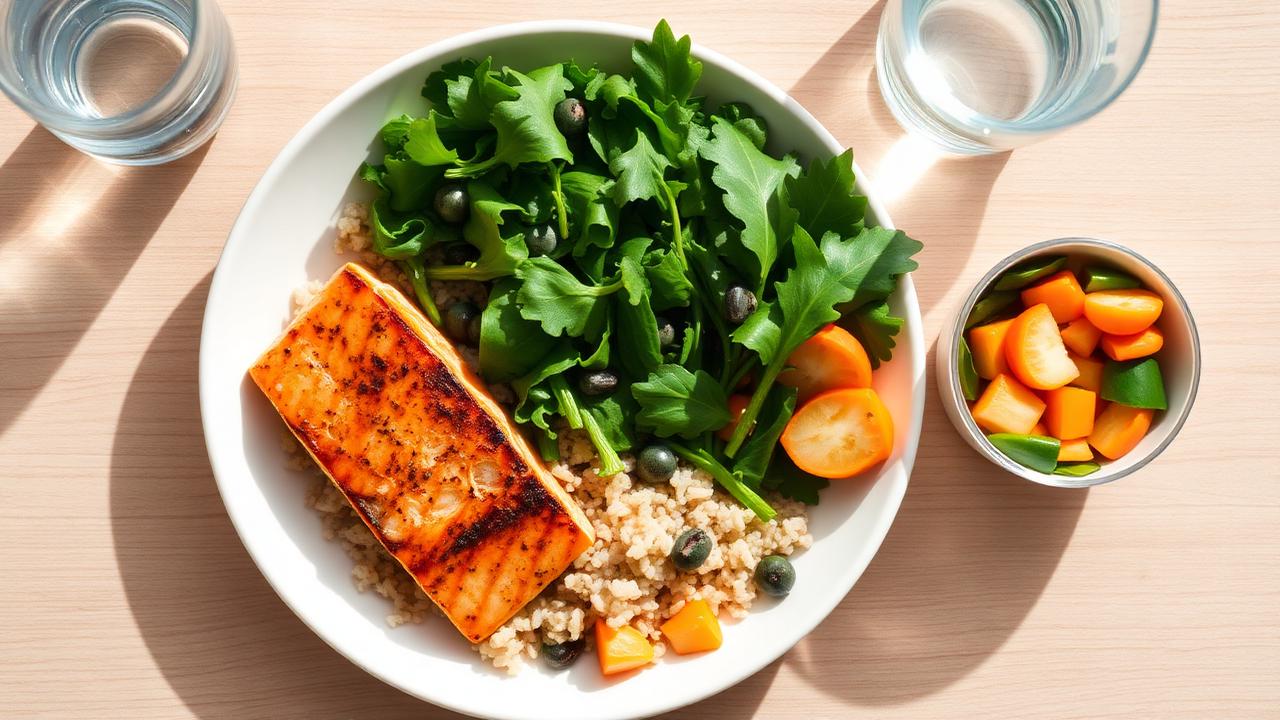
There is a common misconception that older adults can eat whatever they want because "it does not matter at that age." In reality, calorie and nutrient management becomes more important with age, not less. As metabolism slows and activity levels tend to decrease, the body requires fewer total calories. But here is the catch: the body still needs the same amount, and sometimes more, of vitamins, minerals, and protein. That means every bite counts, and nutrient-dense foods should take center stage.
Estimated Daily Calorie Needs by Age and Activity Level
The following estimates come from the Dietary Guidelines for Americans and represent general ranges for adults 65 and older:
- Sedentary women 65 and older: Approximately 1,600 calories per day
- Moderately active women 65 and older: Approximately 1,800 calories per day
- Sedentary men 65 and older: Approximately 2,000 calories per day
- Moderately active men 65 and older: Approximately 2,200 calories per day
- Active men 65 and older: Approximately 2,400 to 2,600 calories per day
"Sedentary" means typical daily activities with no planned exercise. "Moderately active" means walking about 1.5 to 3 miles per day at a moderate pace, in addition to normal activities. "Active" means walking more than 3 miles per day or engaging in equivalent exercise.
Factors That Influence Calorie Needs
- Activity level: The more active you are, the more fuel your body requires.
- Muscle mass: Muscle tissue burns more calories at rest than fat tissue, which is one more reason to prioritize protein and resistance exercises.
- Health conditions: Recovery from surgery, infection, or chronic illness can temporarily increase calorie needs.
- Medications: Some medications affect appetite or alter how the body processes nutrients.
Focus on Quality Over Quantity
Since the calorie "budget" is smaller, every food choice matters more. Prioritize:
- Lean proteins such as chicken, fish, eggs, beans, and Greek yogurt
- Whole grains like oatmeal, brown rice, and whole-wheat bread
- Colorful fruits and vegetables, which are packed with vitamins and antioxidants
- Healthy fats from sources like olive oil, nuts, avocados, and salmon
Warning Signs of Poor Nutrition in Seniors
- Unintentional weight loss of more than five pounds over a few months
- Persistent fatigue and low energy
- Slow wound healing, even from minor cuts
- Getting sick more often than usual
- Clothes fitting noticeably looser
Use our Calorie Calculator to estimate your daily calorie needs based on your age, weight, height, and activity level.
Need Professional Home Care?
For help with meal planning and preparation, a licensed home care agency provides personalized in-home nutrition support to help seniors eat well and stay healthy.