Fall Risk Factors Every Caregiver Should Recognize
Fact-checked against published guidelines under our editorial and review policy. Educational information only, not medical advice. Read the full disclaimer.
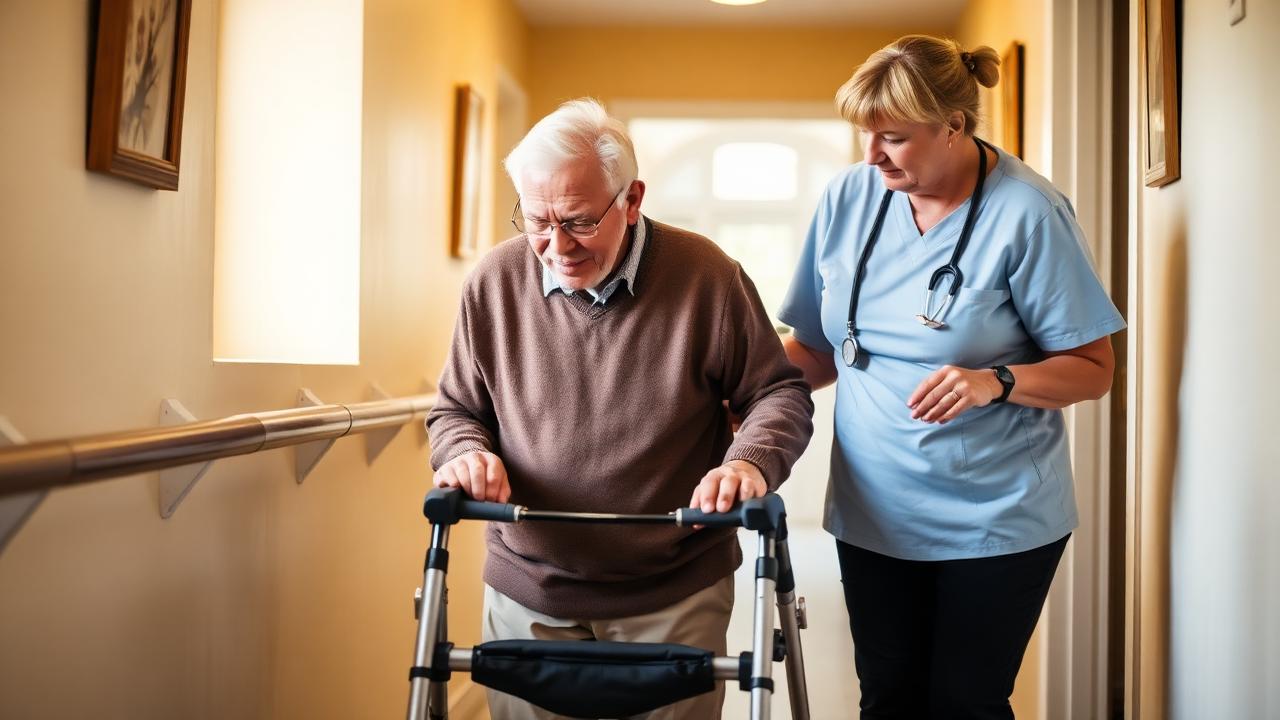
Falls are the leading cause of injury-related death among adults over 65 in the United States, and they are responsible for more than 3 million emergency department visits every year. Behind every fall statistic is a real person who may have broken a hip, sustained a head injury, or lost the confidence to walk independently again. As a caregiver, understanding the risk factors that contribute to falls is one of the most valuable things you can do, because many of those risks can be reduced or eliminated with awareness and action.
Physical Risk Factors
- Muscle weakness: Weakness in the legs and core is one of the strongest predictors of falling. Muscles naturally lose mass and strength with age, but this decline accelerates dramatically with inactivity.
- Balance problems: The inner ear, vision, and sensory nerves in the feet all work together to maintain balance. When any of these systems decline, the risk of losing balance increases.
- Vision impairment: Conditions like cataracts, glaucoma, and macular degeneration reduce depth perception, peripheral vision, and the ability to judge distances.
- Foot problems: Bunions, hammertoes, neuropathy (numbness), and poorly fitting shoes all affect stability and gait.
- Chronic conditions: Arthritis limits joint mobility; Parkinson's disease affects coordination; stroke can cause weakness on one side of the body.
- History of previous falls: Someone who has fallen once is significantly more likely to fall again. Fear of falling, ironically, can also increase risk by causing the person to walk tentatively.
Medication-Related Risks
- Sedatives and sleep medications can cause drowsiness and slow reaction times.
- Blood pressure medications can cause orthostatic hypotension, which is a sudden drop in blood pressure when standing up, leading to dizziness.
- Certain antidepressants may affect balance and coordination.
- Taking four or more medications (a situation called polypharmacy) independently increases fall risk, partly because of drug interactions and partly because of cumulative side effects.
Environmental Risks
- Poor lighting, especially on stairs and in hallways at night
- Loose rugs, clutter on the floor, and electrical cords stretched across walking paths
- Absence of grab bars in the bathroom and handrails on staircases
- Slippery floors from spills, wax, or wet surfaces
- Uneven thresholds between rooms, raised door sills, and cracked or buckled outdoor walkways
What You Can Do to Reduce Risk
- Encourage regular vision and hearing exams. Updated glasses and hearing aids can make a meaningful difference.
- Ask the doctor or pharmacist to review all medications, specifically looking for drugs that increase fall risk.
- Support and encourage gentle strength and balance exercises. Tai chi, in particular, has been shown in multiple studies to reduce fall rates in seniors.
- Walk through the home with fresh eyes and address every environmental hazard you find. Our Home Safety Checklist can guide you room by room.
Use our Fall Risk Screening Tool to identify specific risk factors and get tailored safety recommendations.
Need Professional Home Care?
For fall prevention assistance, a licensed home care agency provides in-home care including mobility support, safety monitoring, and companionship during walks and daily activities.