10 Essential Home Safety Tips for Elderly Living Alone
Fact-checked against published guidelines under our editorial and review policy. Educational information only, not medical advice. Read the full disclaimer.
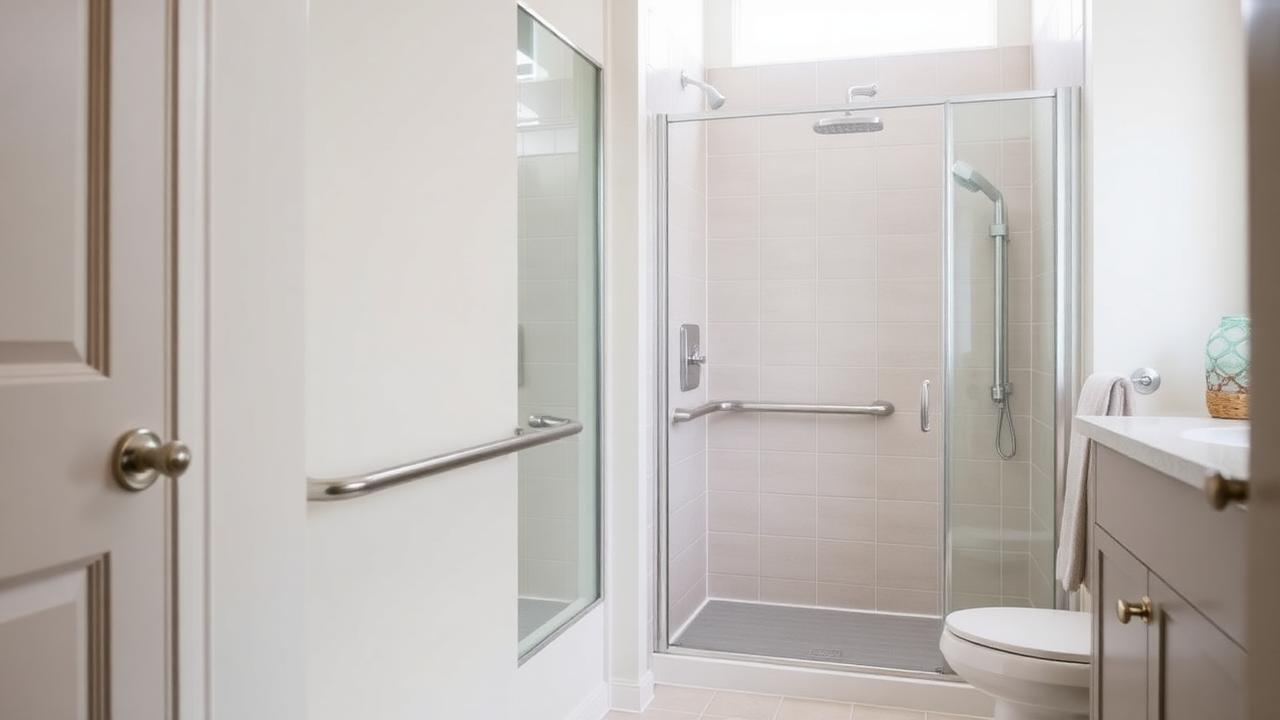
Every year, roughly three million older adults visit emergency rooms because of fall-related injuries. The majority of those falls happen right at home, in rooms and hallways the person walks through every single day. The encouraging news is that many of these falls can be prevented with straightforward, affordable changes to the living environment. Below are ten practical modifications that make a real difference.
1. Install Grab Bars in Key Locations
Place grab bars next to the toilet and inside the shower or bathtub. These bars provide something sturdy to hold onto during transitions, like standing up from a seated position. Make sure they are anchored into wall studs, not just drywall. Suction-cup models may feel secure at first, but they can fail without warning under full body weight.
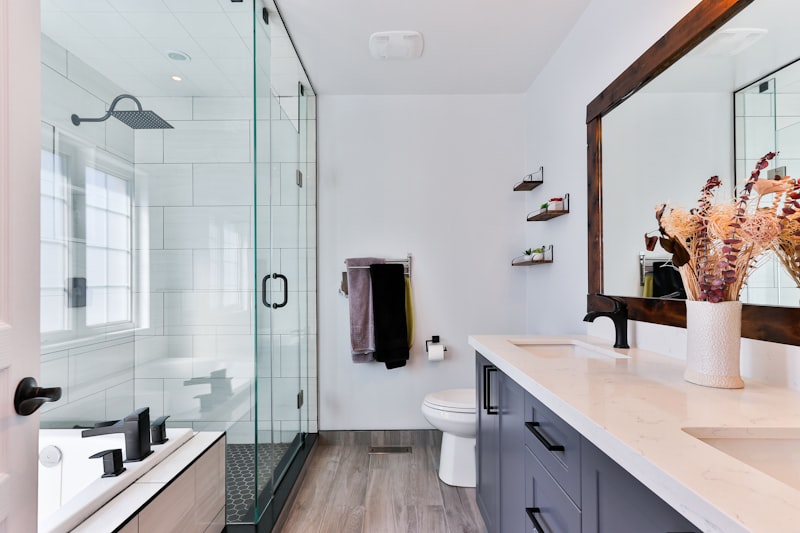
2. Improve Lighting Throughout the Home
Poor lighting is one of the simplest hazards to fix and one of the most often overlooked. Add bright bulbs in hallways, kitchens, stairways, and closets. Install nightlights along the path from the bedroom to the bathroom. Motion-sensor lights are a particularly good investment because they switch on automatically when someone enters a room at night.
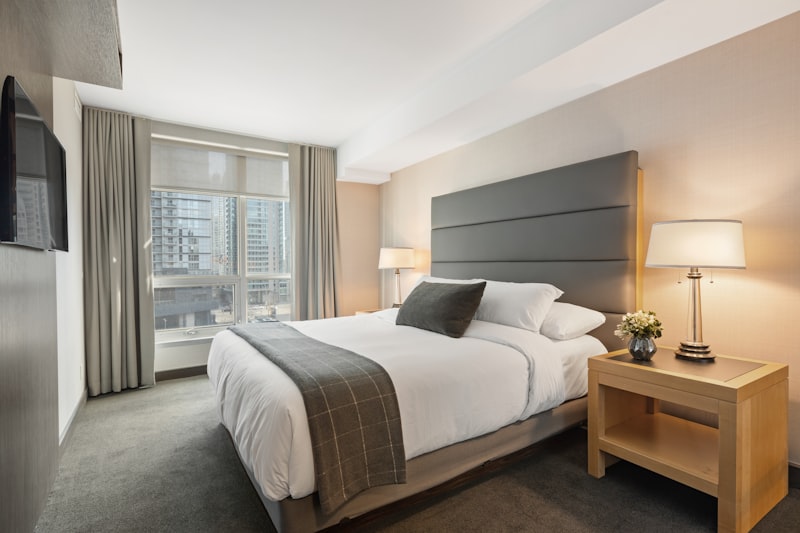
3. Remove Trip Hazards
Loose rugs, electrical cords stretched across walking paths, and stacks of newspapers or magazines on the floor are all common culprits. Secure area rugs with double-sided tape, reroute cords along walls, and clear clutter from every walkway.
4. Add Non-Slip Mats and Strips
Place rubber-backed non-slip mats inside the bathtub, on the shower floor, and in front of the bathroom sink. Adhesive non-slip strips on stair treads add traction where people need it most. Even a small improvement in grip can prevent a dangerous slide.
5. Install Handrails on All Stairs
Both sides of every staircase should have sturdy handrails that run the full length of the stairs. If the staircase currently has a rail on only one side, adding a second one is an inexpensive project that pays for itself in safety.
6. Arrange Furniture for Clear Paths
Walk through each room and identify furniture that narrows a pathway or sits in an unexpected spot. Create wide, unobstructed routes through every living area. Coffee tables with sharp corners can be replaced with round alternatives or padded with corner guards.
7. Keep Essentials Within Easy Reach
Store frequently used items, such as dishes, remote controls, phone chargers, and medications, at waist to chest height. Step stools and overhead reaching are two of the most common causes of falls in the kitchen. If something is stored too high or too low, move it to a more accessible shelf.
8. Consider a Medical Alert System
A wearable medical alert device, sometimes called a personal emergency response system, lets a person call for help by pressing a button on a pendant or wristband. For someone living alone, this can mean the difference between lying on the floor for hours and getting assistance within minutes.
9. Check Bathroom Safety Equipment
A raised toilet seat (two to four inches higher than standard) reduces the strain on knees and hips. A shower chair or transfer bench eliminates the need to stand for the entire duration of a shower. A handheld showerhead gives more control over water direction, which is especially helpful when seated.
10. Review Medications with a Pharmacist
Some medications cause dizziness, drowsiness, or low blood pressure when standing. If someone is taking multiple prescriptions, ask their doctor or pharmacist to conduct a medication review specifically focused on fall-risk side effects. Even a small dosage adjustment can sometimes reduce fall risk significantly.
Use our Home Safety Checklist to do a room-by-room safety audit of your home.
Need Professional Home Care?
If your loved one needs help staying safe at home, consider professional home care services. a licensed home care agency provides personalized in-home care services to help seniors live safely and independently.