Oxygen Therapy at Home: What You Need to Know
Fact-checked against published guidelines under our editorial and review policy. Educational information only, not medical advice. Read the full disclaimer.
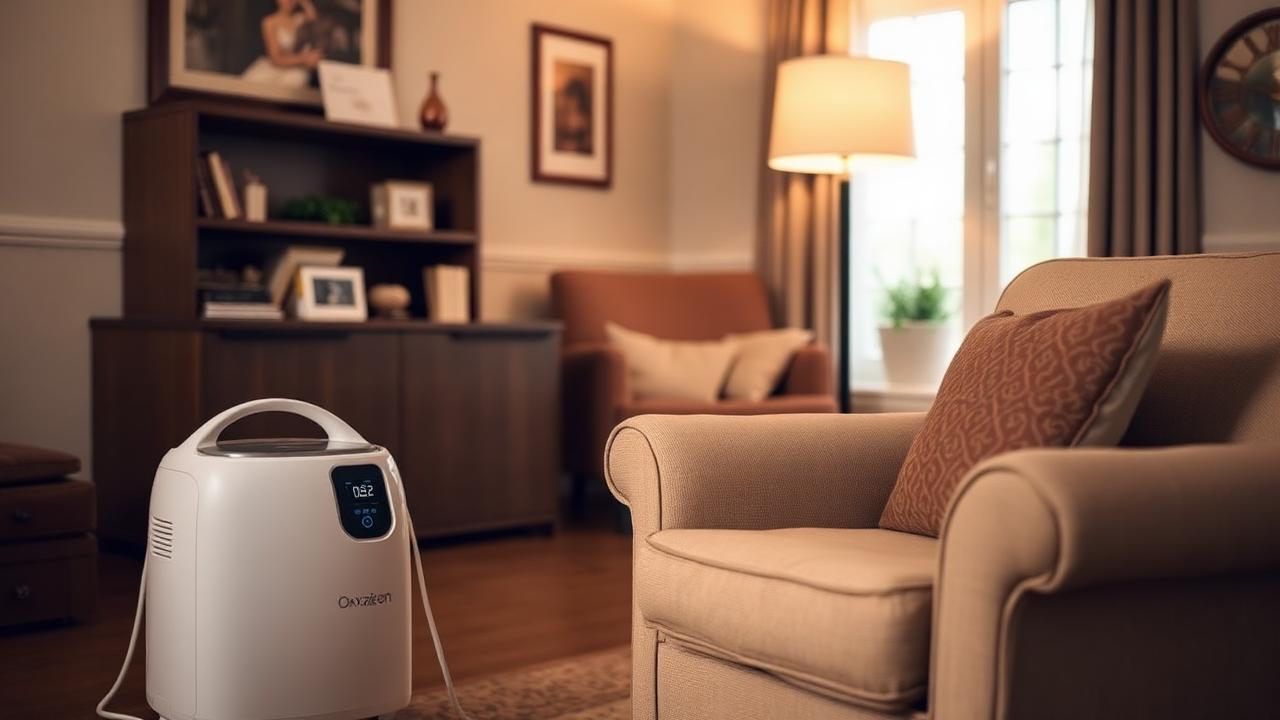
Home oxygen therapy is prescribed when a person's blood oxygen levels are chronically too low for the body to function properly. The medical term for this condition is hypoxemia, and it is most commonly associated with chronic lung diseases, although heart failure and other conditions can also cause it. For caregivers, understanding how home oxygen works, how long tanks last, and what safety precautions to follow is essential for providing safe and effective care.
When Is Home Oxygen Prescribed?
A doctor will typically prescribe supplemental oxygen when pulse oximetry readings consistently fall below 88 percent, or when arterial blood gas testing shows a PaO2 (partial pressure of oxygen) below 55 mmHg. Common conditions that may require home oxygen include:
- COPD (chronic obstructive pulmonary disease), including emphysema and chronic bronchitis
- Severe pneumonia, especially during recovery
- Pulmonary fibrosis, a condition where lung tissue becomes scarred
- Advanced heart failure
- Severe asthma that does not respond fully to other treatments
- Certain sleep-related breathing disorders
Types of Home Oxygen Systems
- Compressed gas cylinders: These are the classic metal tanks filled with pressurized oxygen gas. They are portable and widely available, but they need to be refilled or exchanged regularly. A small "E-cylinder" is commonly used for trips outside the home.
- Liquid oxygen systems: These store oxygen in liquid form, which takes up less space than compressed gas. They are lightweight and portable, but the equipment tends to be more expensive and the liquid evaporates even when not in use.
- Oxygen concentrators: These electrically powered devices pull oxygen from room air, filter it, and deliver it through a nasal cannula. They never need refilling, which makes them the most popular and cost-effective option for continuous home use. Portable battery-powered concentrators also exist for travel.
How Long Does an Oxygen Tank Last?
Tank duration depends on two factors: the size of the tank and the flow rate prescribed by the doctor. A standard E-cylinder contains about 680 liters of oxygen. At a flow rate of 2 liters per minute, it lasts roughly 5 hours and 40 minutes. At 3 liters per minute, it lasts about 3 hours and 45 minutes. Larger H-cylinders used at home contain much more oxygen and can last several days at low flow rates.
The key takeaway: always keep a backup tank or have a concentrator available, and know your estimated duration before leaving the house with a portable tank.
Safety Precautions for Home Oxygen Use
- Absolutely no smoking in any room where oxygen is in use or stored. Oxygen does not burn by itself, but it makes everything around it far more flammable.
- Keep oxygen equipment at least five feet away from open flames, gas stoves, candles, fireplaces, and space heaters.
- Store tanks upright and secured so they cannot tip over. A falling tank can be dangerous.
- Ensure good ventilation in the room where oxygen is being used.
- Do not use petroleum-based products (like Vaseline) near the face or nasal cannula, as they are flammable in oxygen-enriched environments. Water-based lip balms are a safe alternative.
Use our Oxygen Tank Duration Estimator to calculate how long your specific tank will last based on its size and your prescribed flow rate.
Need Professional Home Care?
For help managing oxygen therapy at home, a licensed home care agency provides trained caregivers experienced with medical equipment, oxygen safety, and respiratory care routines.