Medication Management Tips Every Caregiver Should Know
Fact-checked against published guidelines under our editorial and review policy. Educational information only, not medical advice. Read the full disclaimer.
Managing medications for an older family member can feel like a full-time job in itself. It is not unusual for a person over 65 to be taking five, eight, or even twelve different medications each day, some with food and some without, some in the morning and some at bedtime. Keeping everything organized, on schedule, and properly stored is a responsibility that most family caregivers were never formally trained for. Below are strategies that experienced caregivers and healthcare professionals have found most helpful.

Common Medication Challenges
- Forgetting whether a dose was already taken, especially if there are multiple pills at the same time
- Taking the wrong dose because two pills look similar in color or shape
- Dangerous interactions between medications prescribed by different doctors who may not be aware of each other's prescriptions
- Side effects like dizziness, nausea, or drowsiness that make the person reluctant to keep taking the medication
- Physical difficulty with opening child-resistant caps or swallowing large tablets
Organization Strategies That Make a Difference
Use a Pill Organizer
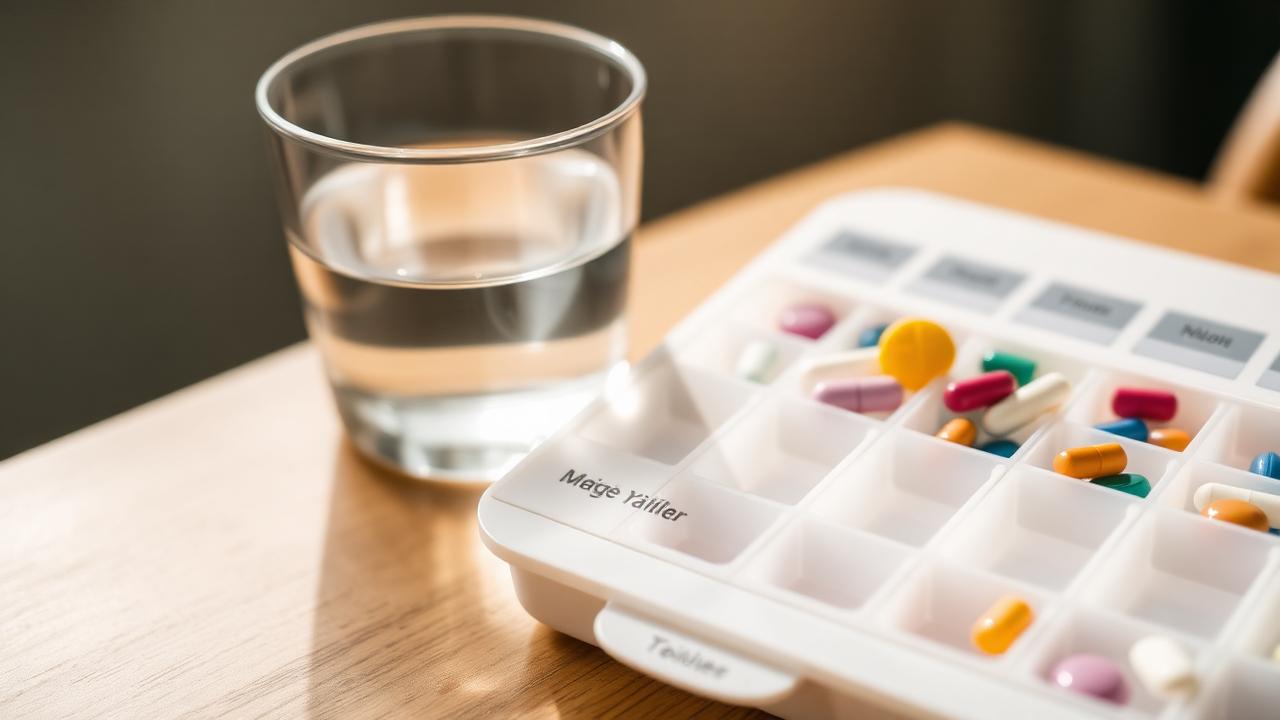
A weekly pill organizer with AM, midday, and PM compartments makes it easy to see at a glance whether today's doses have been taken. Fill the organizer at the beginning of each week, ideally in a quiet room with good lighting and no distractions. Some people find it helpful to fill two weeks at a time.
Set Alarms and Reminders
Phone alarms, medication reminder apps, or programmable alarm clocks ensure that doses are not missed. For people who prefer something physical, there are pill dispensers that beep at preset times and lock so that only the correct compartment can be opened.
Keep an Updated Medication List
Maintain a written list that includes every medication, the dosage, the prescribing doctor, the pharmacy where it is filled, and the reason the person takes it. Keep copies of this list in the medicine cabinet, in the person's wallet, and on the caregiver's phone. Bring the list to every medical appointment, every hospital visit, and every pharmacy interaction.
Schedule a Medication Review
Ask the doctor or pharmacist to review all medications at least once a year. The purpose is to identify drugs that may no longer be necessary, spot potential interactions, and explore whether simpler alternatives exist. This review is especially important after a hospitalization, when new medications are often added.
Ask the Pharmacist About Packaging Options
Some pharmacies offer blister packaging or "bubble packs" that pre-sort medications by date and time. This service can dramatically reduce errors and save time for caregivers.
When to Seek Additional Help
If medication management is becoming overwhelming, or if the person you care for has had a medication error or adverse reaction, it may be time to involve a professional. Home care agencies can send trained caregivers who provide medication reminders, help track refills, and communicate with healthcare providers.
Use our Medication Schedule Planner to create a clear daily medication timing chart that can be printed and posted at home.
Need Professional Home Care?
If medication management is becoming overwhelming, a licensed home care agency caregivers can provide medication reminders and help maintain organized medication schedules.