Understanding Medication Doses: mg, mL, and mcg Explained
Fact-checked against published guidelines under our editorial and review policy. Educational information only, not medical advice. Read the full disclaimer.
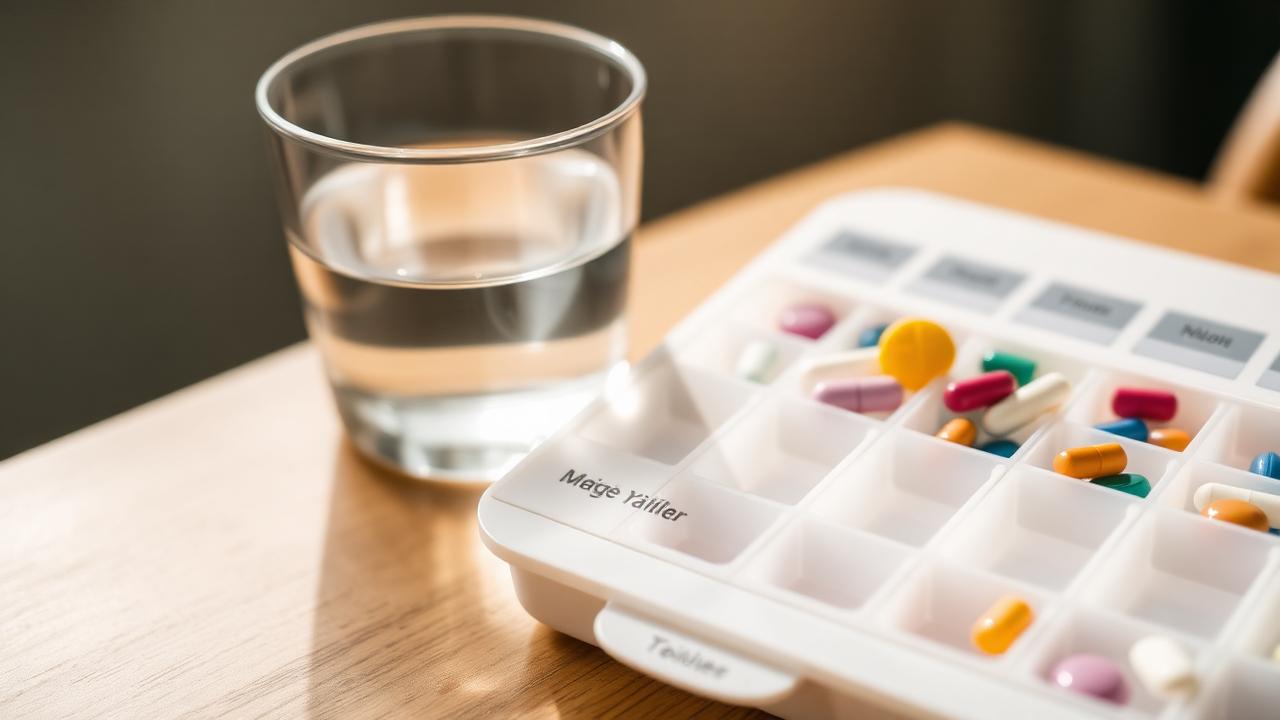
Medication dosing units are one of those things that seem simple until you have to manage six different prescriptions that each use a different unit. For family caregivers who are handling medications for a parent or spouse, understanding the difference between milligrams, micrograms, and milliliters is not just helpful, it is a safety issue. Dosing errors are among the most common causes of medication-related hospital admissions in older adults, and confusion about units is a frequent contributor.
Common Dosage Units Explained
- mg (milligram): This is one-thousandth of a gram and is the most common unit for tablets, capsules, and many liquid medications. When a prescription says "take 500 mg twice a day," it is referring to the weight of the active ingredient in each dose.
- mcg or micrograms: This is one-thousandth of a milligram, making it one-millionth of a gram. Medications dosed in micrograms are very potent, meaning a tiny amount has a significant effect. Thyroid medications, vitamin D supplements, and certain heart drugs are often measured in micrograms.
- mL (milliliter): This is a measure of liquid volume, not weight. Liquid medications, syrups, and injectable drugs use milliliters. One milliliter is equal to one cubic centimeter (cc).
- cc (cubic centimeter): Exactly equal to one mL. Some older syringes and medical references still use cc, but the measurement is identical.
Common and Dangerous Mistakes to Watch For
- Confusing mg with mcg. There is a 1,000-fold difference between these units. Taking 1,000 mcg when you were supposed to take 1,000 mg means you received only one-thousandth of the intended dose. The reverse error, taking 1,000 mg when the prescription called for 1,000 mcg, could be life-threatening.
- Mixing up mL (volume) with mg (weight). If a liquid medication has a concentration of 100 mg per 5 mL, then 5 mL delivers 100 mg. These numbers are not interchangeable.
- Using kitchen teaspoons instead of medical dosing devices. Kitchen spoons vary widely in size. A measuring cup, oral syringe, or the dosing device that comes with the medication is always more accurate.
Practical Safety Tips for Caregivers
- Always use the measuring device that comes packaged with the medication.
- Read the prescription label carefully. Compare the units on the prescription to the units printed on the medication bottle to make sure they match.
- Never crush, split, or open capsules without first checking with a pharmacist. Some medications are designed to release slowly, and breaking them can cause the entire dose to enter the body at once.
- Keep a written medication list that includes the exact dose and unit for every drug. This list should travel with the person to every doctor's appointment and emergency room visit.
Use our Medication Dose Converter to convert between common dosage units quickly and accurately.
Need Professional Home Care?
For medication management assistance, a licensed home care agency provides in-home care including medication reminders and organization support.